Photo: Well This Is News
German startup achieves historic independent space access, challenging US dominance in commercial launches
German startup's orbital success highlights European competition amid SpaceX's market dominance
German startup Isar Aerospace reaches orbit with first commercial rocket from continental Europe
Key Takeaways
- Arianespace has provided commercial orbital launches from European territory for decades through French Guiana, making Isar's geographic distinction from continental soil more symbolic than functionally different from existing European launch capability.
- Isar targets small-to-medium satellites of 500 to 5,000 kilograms where SpaceX's Falcon 9 becomes uneconomical, meaning the startup operates in a genuine but significantly narrower market than rhetoric about challenging American dominance suggests.
- European commercial spaceflight has failed to reverse a structural trend of lost market share to SpaceX despite decades of government investment, so one successful launch does not establish whether Isar's expansion reflects real market demand or the familiar pattern of European startups attracting capital on unrealized promises.
The Analysis
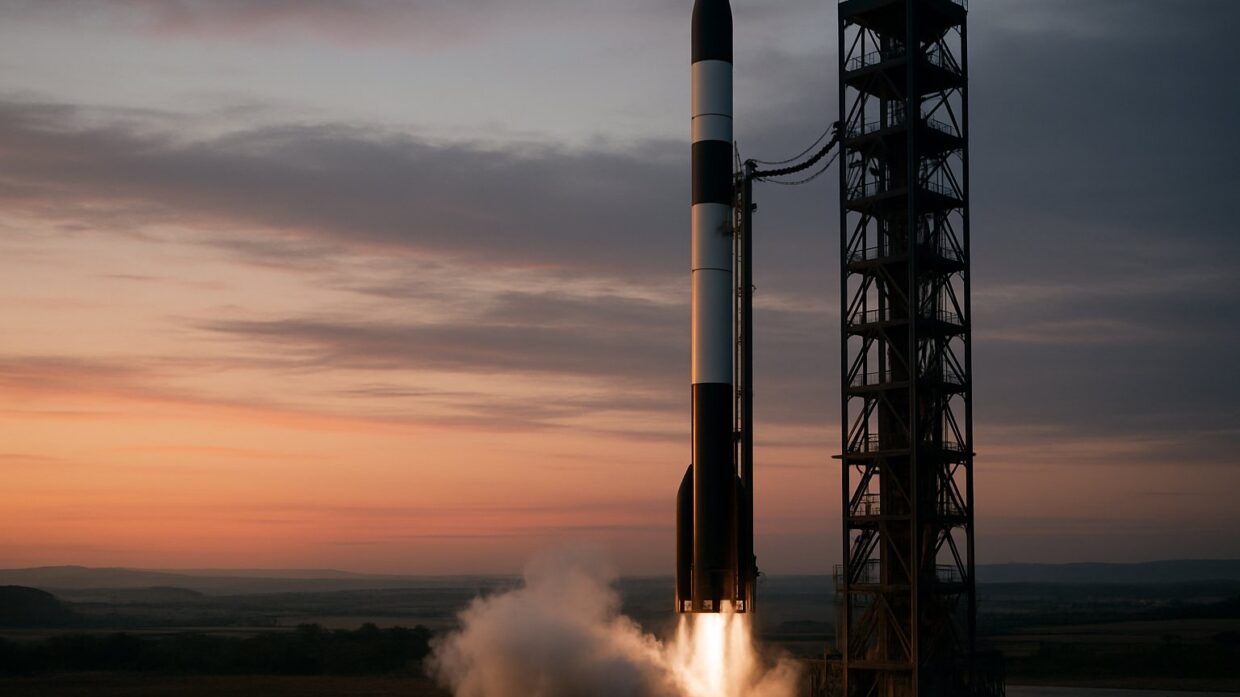
Isar Aerospace successfully launched its Spectrum rocket to orbit from continental Europe, achieving what government-funded European space programs have struggled to accomplish through commercial means. The Munich-based startup joins a narrow field of companies capable of reaching orbital velocity, a distinction that matters less than the framing both sides have constructed around it.
The Guardian's coverage emphasizes "independent access to space" and positions the achievement as reducing European reliance on American companies, particularly SpaceX. That framing obscures a crucial fact: SpaceX has no monopoly on European launch services. Arianespace, backed by the European Space Agency and France, has provided commercial launch services from European territory for decades, most recently from French Guiana in South America. The Guardian does not mention Arianespace's existing commercial operations or explain why Isar's achievement from continental European soil is categorically different from what Arianespace already offers, merely geographically distinct.
Investing.com's framing casts Isar as "SpaceX's European rival," a formulation that requires significant qualification. SpaceX launches roughly 90 percent of the world's commercial payload mass to orbit annually, operates the only operational reusable orbital rocket, and has demonstrated launch costs one-third to one-half of competitors. Isar Aerospace has completed one orbital launch. The term "rival" suggests competitive parity that the available evidence does not support. Investing.com's framing emphasizes Isar's "rapid expansion plans" without disclosing how many additional launches the company has contracted, what its production timeline actually is, or whether those plans reflect market demand or aspiration.
What neither framing acknowledges is that Isar's success occurs within a specific context: Europe has consistently failed to develop commercially competitive launch capability despite decades of government investment and has repeatedly lost market share to SpaceX. Arianespace, once dominant in commercial launch, now captures less than five percent of annual commercial orbital launches. Isar's achievement is genuine technical capability, but one launch does not reverse a structural trend. The company's expansion plans may reflect either genuine market confidence or the familiar pattern of European space startups attracting venture capital on the promise of competing with SpaceX, a competition very few have sustained profitably.
The reporting also leaves undisclosed what Isar's actual addressable market is. The startup targets "small to medium" satellites, typically 500 to 5,000 kilograms. That segment exists and is growing, but SpaceX's Falcon 9 can lift roughly 23,000 kilograms to low Earth orbit at lower cost per kilogram than Isar's current pricing. Isar's advantage lies in smaller, more targeted missions SpaceX considers inefficient to launch individually. The market Isar is entering is real but narrower than the rhetoric of "challenging US dominance" suggests.
The actual story is that European commercial spaceflight is developing genuine capability but remains fundamentally constrained by cost structures and launch frequency that SpaceX has mastered at scale. Isar's success is a milestone for European technological ambition, not a reversal of American dominance in commercial space.
Isar Aerospace's single successful orbital launch will likely accelerate European venture capital deployment into launch startups, repeating a cycle that has consistently failed to produce profitable competitors to SpaceX. The company operates in a genuine market segment, small satellite launches of 500 to 5,000 kilograms, but that niche cannot sustain the ambitious expansion plans venture investors will now fund based on this technical proof. Arianespace's decline from market dominance to under five percent of commercial launches demonstrates the structural problem: European launch costs remain two to three times higher than SpaceX's established reusable rocket infrastructure. Isar will face identical pressure. The practical consequence is that European government space agencies, desperate to cultivate domestic launch capability, will continue subsidizing commercial ventures with minimal long-term profitability, diverting resources from satellite development and scientific missions where Europe retains actual competitive advantage.