Photo: Well This Is News
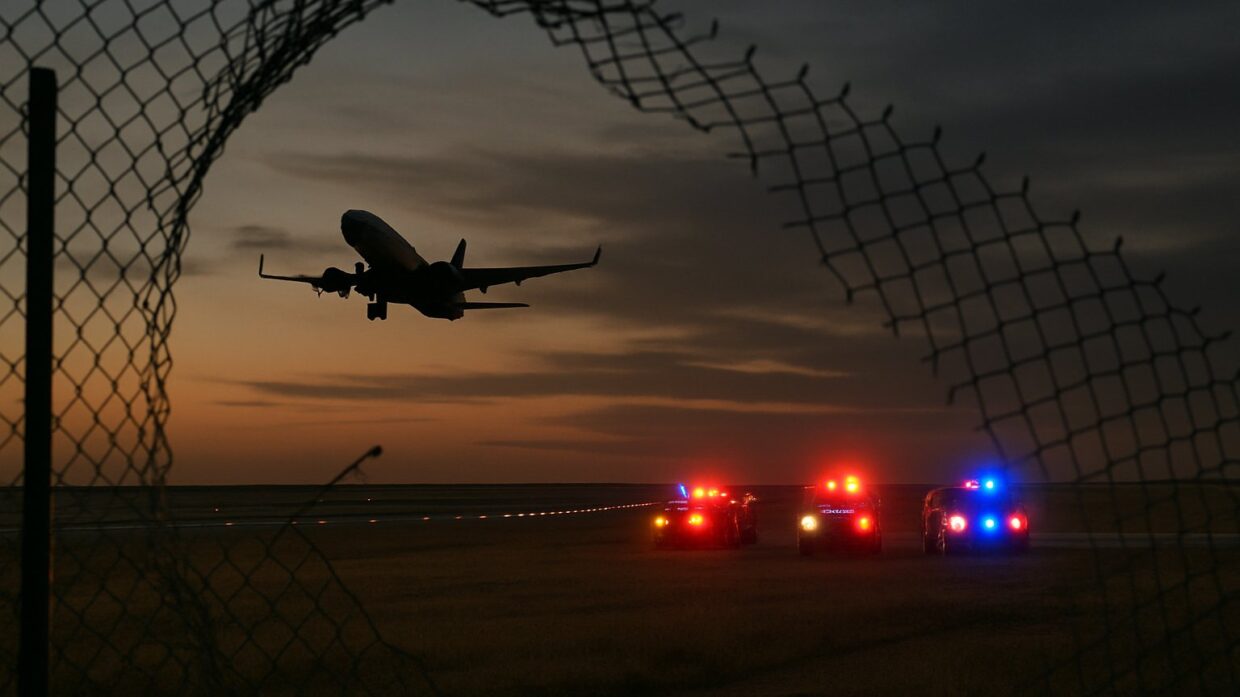
Security Breach at Denver Airport Allows Person to Reach Active Runway
Packed Airliner Strikes Pedestrian on Runway, Triggers Engine Fire and Emergency Evacuation
Frontier Airlines Plane Strikes Person on Denver Runway During Takeoff
Key Takeaways
- Neither left nor right outlets reported specific details about Denver International Airport's perimeter fence specifications, whether they met FAA standards, or whether the airport maintained motion sensors and surveillance cameras monitoring that section of the perimeter.
- The FAA has not required comprehensive perimeter security infrastructure upgrades at airports since 2001, meaning budget constraints may have left Denver International operating with older fencing that failed to prevent this breach.
- Previous runway incursions at major U.S. airports like Oakland and San Francisco involved fence breaches but rarely resulted in strikes because pilots received warnings or intruders were detected before takeoff, suggesting Denver International may lack early detection systems now standard elsewhere.
The Analysis
A Frontier Airlines plane killed a person on an active runway at Denver International Airport Friday night, but the competing narratives about what happened obscure the specific question neither side is answering: how airport security failed to prevent runway access in the first place.
Here are the verified facts: The person jumped a fence that separates the public area from the tarmac at Denver International Airport. They then entered the runway during Frontier flight 4345's takeoff roll. The pilot transmitted to air traffic control, "Tower, Frontier 4345, we're stopping on the runway. Uh, we just hit somebody. We have an engine fire." All 224 passengers and 7 crew members evacuated safely via emergency slides. The person was killed on impact.
NPR, MSNBC, and other left-leaning outlets framed this around "security breach" language and "perimeter fencing," emphasizing the person's ability to jump the fence and reach the runway. The words chosen matter: "jumped a fence and dashed" puts emphasis on the individual's actions rather than the systems that failed to stop them. NPR's phrasing, "had jumped a fence and dashed into the aircraft's path minutes before being struck," treats the person's runway access as the primary fact. This framing allows discussion of mental health crises or individual desperation without examining airport infrastructure. What none of these outlets specified: how long was the person on the runway before being struck? Did air traffic control have time to warn the pilot? Did ground personnel respond?
Breitbart and The Daily Wire emphasize the danger to the 231 people aboard the aircraft, using phrases like "Packed Airliner," the cockpit radio transmission with engine fire reported, and the emergency evacuation. The right-leaning framing puts the threat to passengers first, the pilot's quick reaction second. The Daily Wire's headline "The Moment Pilot Realizes Plane Packed With Passengers Hit Person" makes clear that right-wing outlets are centering passenger safety and pilot competence. This framing allows criticism of security vulnerabilities but frames them as threats to Americans aboard the plane rather than as systemic airport design failures.
What both sides are quietly omitting: Denver International Airport's specific runway access protocols. Under Federal Aviation Administration regulations, runways are designated "sterile" areas when aircraft are moving. The perimeter fencing surrounding active runways is required by 14 CFR Part 107, but the specific height, materials, and maintenance standards are set by individual airports. Neither left nor right outlets named the exact fence specifications at Denver International, reported whether this fence met FAA requirements, or disclosed whether ground personnel on duty that night had surveillance cameras monitoring that section of perimeter. Both sides avoided asking whether Denver International had implemented secondary barriers, motion sensors, or ground-based detection systems now standard at major U.S. airports following post-9/11 security upgrades.
The unspoken context both sides avoided: The FAA has not required airports to upgrade perimeter security infrastructure comprehensively since the Transportation Security Administration took over airport security in 2001. Budget constraints at Denver International, the busiest airport in the Mountain West, may mean older perimeter fencing. Previous runway incursions at major U.S. airports (Oakland in 2015, San Francisco in 2017) involved people breaching fencing, but few resulted in strikes because pilots had warning or because the intruders were detected before takeoff roll.
The real headline: A person breached Denver International Airport's perimeter fence and reached an active runway during takeoff, killing themselves and forcing an emergency evacuation of 231 people, but no outlet has yet reported which specific security measures failed or whether Denver International Airport maintained current FAA perimeter standards.
Denver International Airport's failure to prevent runway access during active takeoff exposes a two-decade gap in airport security infrastructure that federal regulators have never adequately addressed. Since the TSA took control of airport security in 2001, the FAA has left perimeter fence specifications, maintenance standards, and detection systems to individual airports operating under budget constraints. This death resulted not from a momentary lapse but from outdated infrastructure that likely predates modern motion sensors and secondary barriers now standard at competing major hubs. Until regulators require comprehensive perimeter upgrades instead of allowing aging fencing to remain compliant on technicality, runway incursions will continue testing whether pilots can react fast enough to prevent fatalities. Denver's incident reveals that security theater at terminal checkpoints masks genuine vulnerabilities in the infrastructure protecting active runways from unauthorized access.