Photo: Well This Is News
Trump's Press Ban Collapses in Court as Judge Rules Selective Media Exclusion Unconstitutional
Trump Welcomes Chinese President Xi with Military Honors Despite Media Litigation
Federal Judge Blocks Trump Press Ban Hours After Implementation; Xi Jinping State Visit Underway
Key Takeaways
- The federal judge's emergency ruling blocking the press ban relied on a First Amendment doctrine against viewpoint discrimination, but neither major news outlet explained what specific type of White House spaces were involved or how prior access patterns created a constitutional obligation.
- Trump administration lawyers apparently pursued the press ban without public clarity on whether they believed they had legitimate legal grounds, and it remains unclear whether the administration views the injunction as final or plans to appeal.
- The timing of the Xi Jinping state visit on Wednesday,one day before the press ban was blocked Thursday,has not been explained, leaving unclear whether the administration scheduled the diplomatic ceremony knowing the legal challenge was imminent.
The Analysis
A federal judge blocked Trump's press ban approximately seven days after implementation, ruling that selectively excluding news organizations from White House access violates the First Amendment. The ban targeted CNN, Politico, and other outlets. The decision arrived early Thursday morning via emergency hearing. What the competing framings conceal is why this particular test of executive authority failed so quickly, and what it reveals about the institutional scaffolding around press access that neither side fully explained.
The factual sequence: Trump administration officials barred specific news outlets from White House press briefings and events. The affected organizations filed suit. A federal judge granted an emergency injunction before the case reached summary judgment. The documented reasoning centered on viewpoint discrimination as a constitutional violation, not on the practical impact of the ban or the president's stated rationale for implementing it.
The left frame, represented by Vox's coverage, emphasizes that Trump "can't selectively bar his least-favorite outlets" and that he "knew he'd lose this fight." That phrasing accomplishes two things: it recasts the judge's ruling as predictable (removing any sense that the outcome was genuinely uncertain), and it portrays Trump as knowingly testing a boundary he expected to breach. The framing leaves unaddressed the substantive reasoning behind the ruling itself, the specific constitutional standard the court applied, or whether Trump administration lawyers believed they had plausible legal grounds before filing. It also omits the historical context: prior administrations tested press restrictions without facing immediate First Amendment intervention of this kind.
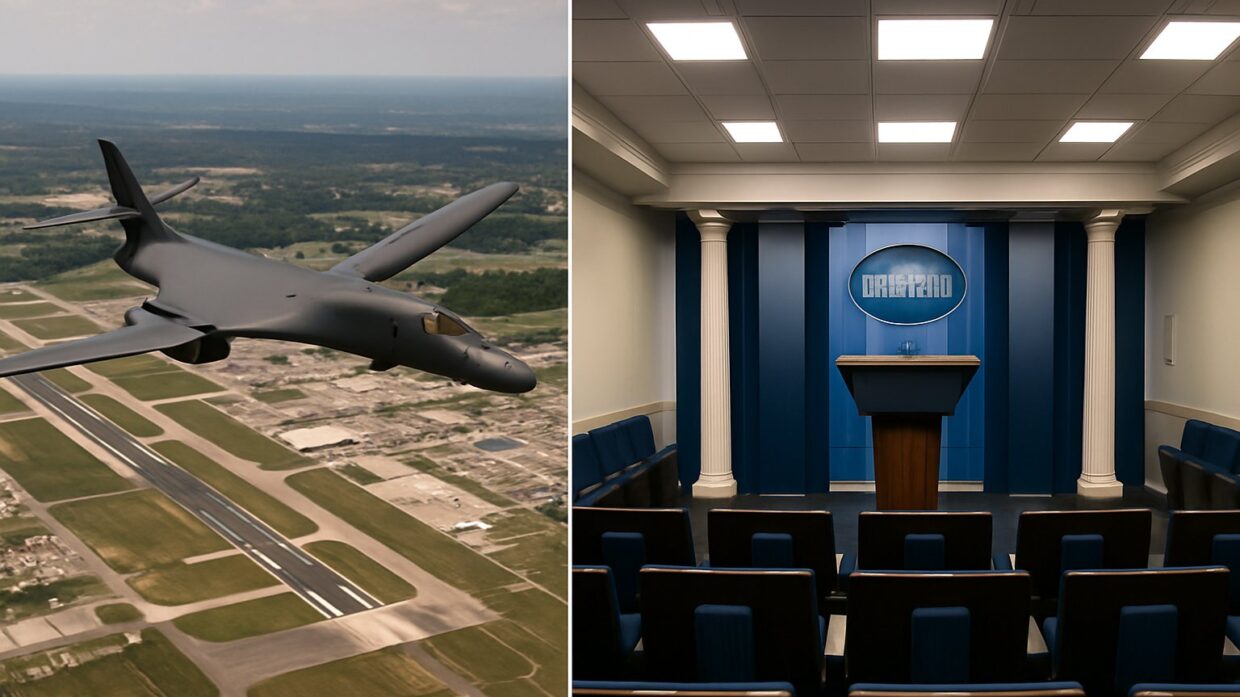
The right frame, represented by The Daily Wire's coverage, does not foreground the press ban litigation at all. Instead, the reporting emphasizes the state visit logistics, the military ceremony elements (B-1 bombers, Joint Base Andrews), and the formal diplomatic schedule. That framing serves a different function: by treating the press ban as background and the Xi visit as foreground, it shifts the narrative toward Trump's diplomatic initiatives and away from the legal loss. The coverage does not explain whether the administration viewed the court's ruling as settling the matter or as a temporary injunction subject to appeal.
What neither side establishes is the specific legal precedent the judge relied on. First Amendment jurisprudence around press access distinguishes between excluding journalists from non-public spaces (which receives more deference) and excluding them from public forums where the administration has traditionally allowed press presence. The ruling's scope appears to hinge on that distinction, but the available reporting does not foreground what type of White House spaces were at issue or whether prior access patterns created a constitutional obligation to maintain that access.
The Xi Jinping state visit timing raises an unaddressed question: whether the administration scheduled the diplomatic ceremony knowing the press ban was legally vulnerable, or whether the timing was independent. The reporting does not clarify this sequence.
The underlying story is narrower and more institutional than either frame suggests: a president tested a power, a court blocked it, and the administration moved on. That is not precedent-setting or historically unprecedented. It is the separation of powers functioning as designed. What made this moment newsworthy was not that Trump lost, but that he tried to impose viewpoint-based press exclusions at all. That choice, not the court's response, is the actual event.
The speed of the injunction reveals that press access to government events operates as a constitutionally protected entitlement rather than a discretionary privilege, and the court's emergency ruling establishes a binding constraint on how future administrations can manage media presence at official functions. This matters because it forecloses a category of executive action that previous administrations avoided testing directly, creating enforceable legal precedent that will survive this presidency and shape access disputes in subsequent administrations. The ruling converts a question of presidential prerogative into a settled constitutional requirement, meaning the White House press pool now has a judicially enforceable right to attend briefings and official events based on viewpoint neutrality, not presidential discretion. Any future attempt to exclude outlets based on editorial content will face the same judicial standard immediately, without the uncertainty that surrounded this initial attempt.