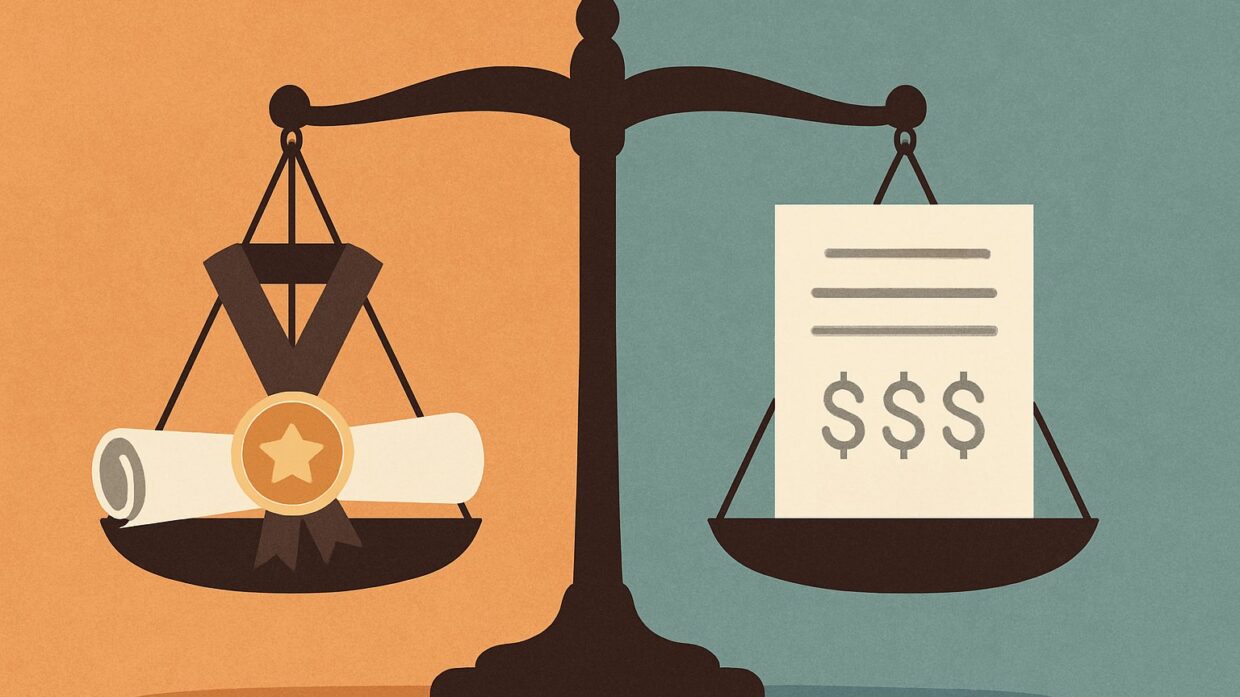
Photo: Well This Is News
College Athletes' Accomplishments Deserve Recognition Amid NIL Rights Debate
Obama Ally Rejects Civil Rights Claims in College Sports Compensation Battle
College Sports Compensation Debate Splits on Civil Rights, Athlete Rights Framing
Key Takeaways
- No one has published comparative data showing whether NIL restrictions would actually harm Black athletes more than other groups, making the civil rights claim based on projected impact rather than documented evidence.
- The debate conflates two separate questions: whether the NCAA model of amateurism is fair in principle and whether specific NIL restrictions were designed or would function in a racially disparate way.
- The Obama administration official rejected the civil rights framing without addressing whether NIL compensation currently flows unequally across racial demographics or whether the proposed restrictions would worsen existing inequalities in athlete earnings.
The Analysis
The Protect College Sports Act has exposed a fracture within Democratic coalitions over how to regulate athlete compensation, with the disagreement turning on whether limiting Name, Image, and Likeness (NIL) deals is a labor issue or a civil rights issue. Sen. Chris Murphy and the NAACP have framed restrictions as disproportionately harming Black student-athletes, while critics of that framing argue the bill serves legitimate institutional purposes without targeting any group.
What actually happened: The Protect College Sports Act proposes to restrict how college athletes monetize their personal brand through NIL agreements. Sen. Murphy and NAACP representatives have stated explicitly that limiting these compensation channels harms Black athletes specifically, arguing the policy should be evaluated through civil rights law. An Obama administration ally has publicly rejected this framing, stating the bill's purpose is structural regulation of college sports, not racial targeting. The Atlantic has published an editorial defending athlete compensation as consistent with recognizing student-athletes' legitimate accomplishments alongside other campus performers.
The left frames this around athlete dignity and economic security. The Atlantic's language emphasizes that athlete accomplishments are "every bit as impressive and legitimate" as those of other campus performers, suggesting NIL restrictions undervalue athlete labor. By comparing athletes to "dancers, debaters, and oboists," the framing establishes a baseline of legitimacy and asks why one group would be denied compensation others may access. This leaves out the historical distinction between compensated professional performers and the NCAA model of athletic amateurism, as well as the specific mechanisms through which NIL deals function and whether those mechanisms create the educational benefits the college system claims to protect.
The right rejects the civil rights characterization while affirming the bill's purpose. Fox News reports that an Obama figure "rejects" the NAACP's claim, using language that positions the civil rights argument as factually incorrect rather than merely incomplete. This framing avoids acknowledging whether NIL restrictions do in fact disproportionately affect Black athletes, focusing instead on legislative intent. What the right's framing leaves out is data on how NIL compensation currently flows to athletes by sport and race, and whether restrictions would create measurable disparities in athlete earnings.
What neither side fully addresses: The public record does not establish whether the Protect College Sports Act was designed with racial impact in mind or whether restriction of NIL deals would demonstrably harm Black athletes more than others. The NAACP's civil rights claim rests on impact, not intent, but neither the left nor the right has produced the comparative earnings data that would establish that impact. More fundamentally, the debate omits the prior NCAA enforcement decisions on compensation, the specific athletes affected by previous NIL restrictions, and the actual distribution of NIL money across Division I sports and demographics. What remains undisclosed is whether the administration's opposition to the civil rights framing reflects genuine disagreement with the economic claim or simply disagreement with the legal framework through which the claim is made.
The Protect College Sports Act will determine whether future athlete compensation policy is evaluated as a labor question or a civil rights matter, reshaping how courts and regulators assess claims of racial disparity in college athletics. If courts accept the NAACP's civil rights framing, similar restrictions on athlete earnings could face heightened judicial scrutiny, while rejection of that framework would allow compensation limits to proceed under rational basis review. This doctrinal choice will either embed racial impact analysis into college sports regulation permanently or establish that such policies require no racial disparities analysis at all. The absence of comparative earnings data by race and sport means whoever wins this debate will have done so without empirical grounding, leaving future legislation to repeat the same binary framing rather than resolve it.