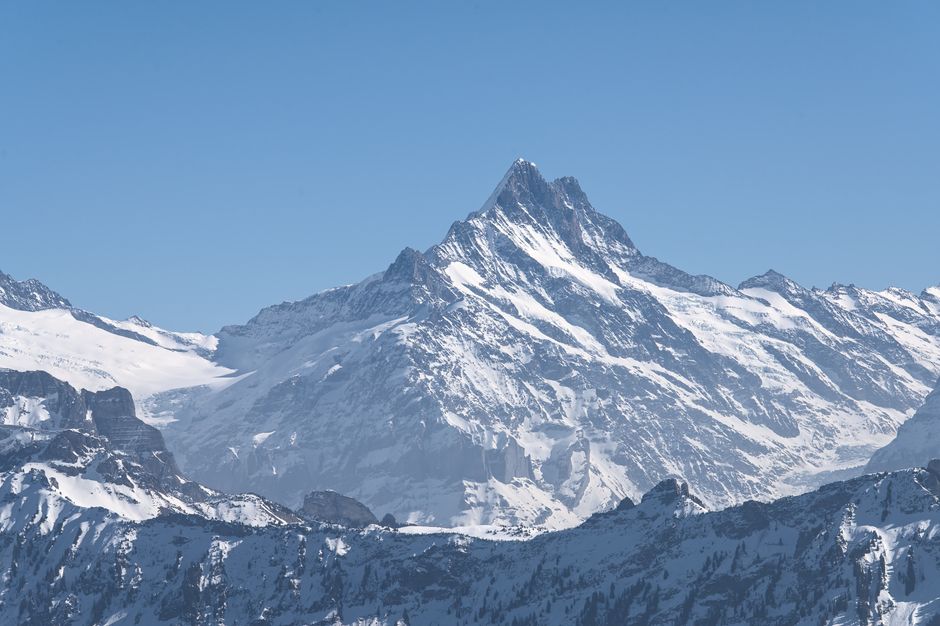
Photo: Jean-Paul Wettstein
Fossil fuel pollution triggered Nepal disaster, study shows. Global action needed now
Scientists link Nepal glacier collapse to climate change, but causation remains complex
Climate research attributes deadly Nepal glacier collapse to decades of warming
Key Takeaways
- Climate attribution science measures whether warming increased the probability of an event occurring, not whether warming alone caused it or would have prevented it with certainty, a distinction the policy debate consistently blurs.
- Historical records show Langtang experienced similar disasters for centuries, so the research establishes warming made this type of event worse or more likely, not that warming created an entirely new category of hazard in the region.
- The political question of whether institutional responsibility for emissions translates into funding obligations for hazard mitigation in specific countries cannot be answered by climate science and requires separate policy choices.
The Analysis
Climate attribution researchers examining the August collapse on Langtang Lirung Mountain in Nepal have established a documented chain between decades of global warming and the specific physical conditions that preceded the disaster killing at least 1,300 people. The research identifies thawing permafrost and melting ice as direct mechanisms, but the public record leaves unresolved exactly how much warming contributed to the collapse relative to other factors like monsoon precipitation, rock composition, and localized geology.
Inside Climate News reports that researchers state there is "absolutely no doubt" that warming set the stage. This phrasing reflects the confidence in the causal mechanism itself, not in the proportion of responsibility. The reporting establishes the physical process: warmer air and rock temperatures destabilized frozen ground, which then failed during the event. What the coverage does not settle is whether the collapse would have occurred in August 2026 without the warming, or only whether the warming made it more likely.
The Guardian's editorial framing emphasizes the moral and political consequence: "New research links last month's disaster to fossil fuel pollution." That language shifts the framing from mechanism to attribution of blame. The Guardian argues this research should compel "immediate climate action" and expanded climate finance to vulnerable countries. The editorial does not distinguish between what the science establishes (warming contributed to the conditions) and what it does not establish (what proportion of causation, or whether adaptation funding for specific mountain regions follows logically from this attribution). Both moves are politically coherent, but they exceed what the available research disclosure appears to support.
A fuller reading requires acknowledging what neither framing foregrounds. Climate attribution science typically measures whether a specific warming scenario increased the probability of an event, not whether it caused it in isolation. The research likely examined whether the event's probability changed with 1.5 degrees Celsius of warming versus without it, or similar comparisons. That question is scientifically rigorous but distinct from asking: did warming cause this collapse? The first is answerable; the second requires assumptions about counterfactuals.
The underlying question is whether institutional responsibility for emissions translates directly into funding obligations for hazard mitigation in specific regions. That is a political question the science cannot settle. A country could acknowledge that warming contributed to the Langtang collapse and still argue that monsoon management, glacier monitoring, or settlement planning are more cost-effective than emissions reduction for this particular hazard.
What the reporting also leaves implicit is that Langtang has experienced avalanches, rockfall, and flooding for centuries, documented in historical records and mountaineering accounts. The evidence suggests warming increased the probability or severity of this particular event, but does not establish that such events are novel. The policy implication of attribution research depends on whether one reads it as: warming made this event worse (argue for adaptation) or warming caused this type of event to exist (argue for emissions reduction). The science supports the first reading more clearly than the second.
Nepal's glacier collapse attribution research will reshape how wealthy nations calculate climate finance obligations to vulnerable regions. If warming is established as a contributing mechanism to a specific disaster, climate-vulnerable countries now possess a scientific precedent for claiming that high-emitting nations bear financial responsibility for hazard mitigation rather than viewing adaptation as charity. This fundamentally alters the negotiating position at climate finance summits and creates pressure for binding formulas linking attribution findings to funding transfers. The research weaponizes causation in a way that transforms from a technical scientific question into a fiscal mandate, potentially obligating countries to fund mountain stabilization, glacier monitoring, and settlement relocation in Nepal regardless of whether local geology or precipitation management would prove more cost-effective. Once attribution becomes the legal basis for climate reparations rather than one input among many for adaptation strategy, the precedent locks future disaster response into a warming-blame framework that may not match on-the-ground needs.