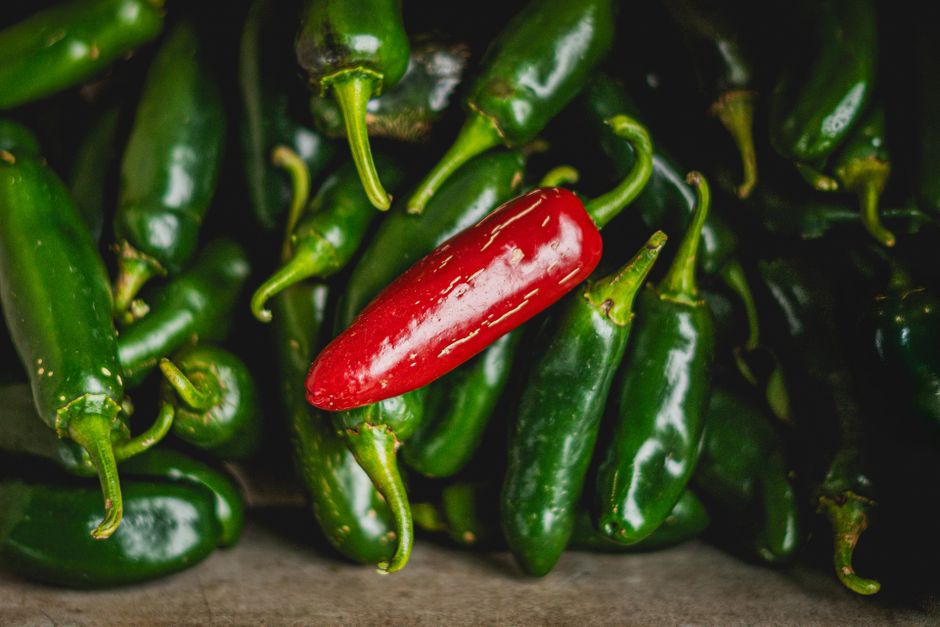
Photo: Tim Mossholder
Chipotle pulls jalapenos nationwide as salmonella outbreak spreads across country
Chipotle voluntarily removes jalapenos after salmonella investigation in Minnesota
Chipotle removes jalapenos from U.S. restaurants after salmonella outbreak sickens 110 in Minnesota
Key Takeaways
- Neither left nor right coverage explained whether the jalapenos were contaminated at Chipotle's facilities, at the supplier level, or earlier in the produce supply chain, which determines whether this reflects a company failure or an industry-wide vulnerability.
- The reporting uses terms like 'suspected' and 'linked' without clarifying what level of epidemiological certainty health investigators had when Chipotle made its decision to remove the product.
- The distinction between Chipotle acting before mandatory recall versus after health authorities confirmed contamination shapes the narrative, but both outlets underreport whether this signals systemic gaps or a contained incident at a single supplier stage.
The Analysis
Chipotle removed jalapenos from all U.S. restaurants after health investigators identified them as the likely source of a salmonella outbreak that infected at least 110 people in Minnesota, though the company framed the action as voluntary and proactive. The specific detail that matters: Chipotle learned of the investigation and removed the product before any official confirmation, a timing that shapes how each outlet reported the story and what both framed differently.
Here is what actually happened. A salmonella outbreak in Minnesota sickened at least 110 people. Health investigators traced the outbreak to jalapenos served at Chipotle restaurants. The company then removed jalapenos from its supply nationwide. Health officials stated they had no ongoing concerns with the chain after the removal. The stock market reacted to the news, with Chipotle's share price declining on Tuesday.
The left framing, as presented in NBC News and MSNBC coverage, emphasizes the word "removed" in the headline and opens with the outbreak as the primary fact: "sickened at least 110 people." The language treats the action as reactive and frames it within the context of the outbreak itself. The coverage does not specify whether investigators confirmed the jalapenos definitively or suspected them, leaving that distinction unclear to readers. This framing leaves out the company's own timeline: that Chipotle acted after learning of the investigation but before any mandatory recall was issued.
The right framing, from the Washington Examiner, leads with the word "voluntarily" and states that Chipotle "pulled the jalapenos after learning of the investigation." This construction emphasizes the company's proactive posture and agency in the decision. The word "some restaurants" appears in the headline, suggesting a more limited scope of action than the left's "across the country." This framing underplays the scale of the outbreak and its reach, instead centering Chipotle's response as the main event.
What neither side fully addresses is the distinction between the outbreak being traced to jalapenos at Chipotle versus jalapenos as a product category. The available reporting does not establish whether the contamination occurred at the Chipotle distribution point, at the supplier, or earlier in the supply chain. Both outlets use the phrase "suspected" or "linked" but do not explain what level of epidemiological certainty that represents. This matters because it affects whether this is a Chipotle operational failure or a produce supplier failure.
The underlying question is supply chain accountability. If the jalapenos were contaminated at the supplier level, the story is about produce industry oversight and the FDA's ability to trace contaminated products. If the contamination occurred at Chipotle's distribution or preparation level, it is about the company's own safety protocols. The reporting does not establish which it is, leaving readers unable to understand whether this reflects a systemic food safety vulnerability or a specific vendor failure.
What this signals is that Chipotle's food safety reputation remains fragile. The company removed a product preemptively, which is operationally sound, but the public record does not yet show whether this outbreak reflects the same systemic gaps that led to the 2015-2016 E. coli crisis or whether it is a contained incident at a single supplier stage.
Chipotle's rapid removal of jalapenos before any official confirmation reveals how quickly companies can act when facing regulatory scrutiny, but it obscures the actual vulnerability this outbreak exposes. The distinction between contamination at Chipotle's distribution centers versus at the produce supplier level remains unresolved in public reporting, yet this distinction determines whether the company faces an operational failure or whether the incident signals a broader breakdown in FDA oversight of produce supply chains. Without clarity on where contamination occurred, regulators cannot determine if this represents another crack in Chipotle's previously damaged food safety infrastructure or a systemic failure across the produce industry that affects every foodservice operator equally. The company's voluntary action satisfied immediate market concerns, but it shifted focus away from the supply chain accountability question that matters more than any single restaurant chain's response protocol.