Photo: Well This Is News
Conservative Outlet Celebrates Buffalo Bill Museum While Ignoring Problematic Historical Narratives
Hold Your Horses: Buffalo Bill Center Offers Superb Western Art Worth the Visit
Buffalo Bill Center's Western Art Collection Draws Attention Amid Broader Cultural Debates
Key Takeaways
- The Buffalo Bill Center explicitly dedicates substantial institutional space and programming to Buffalo Bill's Wild West show and its relationship to Native American representation, making the National Review review's complete omission of this content a deliberate editorial decision rather than an oversight.
- The museum actively engages with difficult history and contemporary scholarship about frontier narratives, but a reader of only the National Review piece would have no awareness of this interpretive work or the curatorial choices the institution makes about what historical questions to foreground.
- Cultural criticism often frames museums as either unproblematic aesthetic spaces or politically compromised institutions, when the more accurate picture is that museums like this one are active interpreters of contested history making specific choices about emphasis and historical perspective.
The Analysis
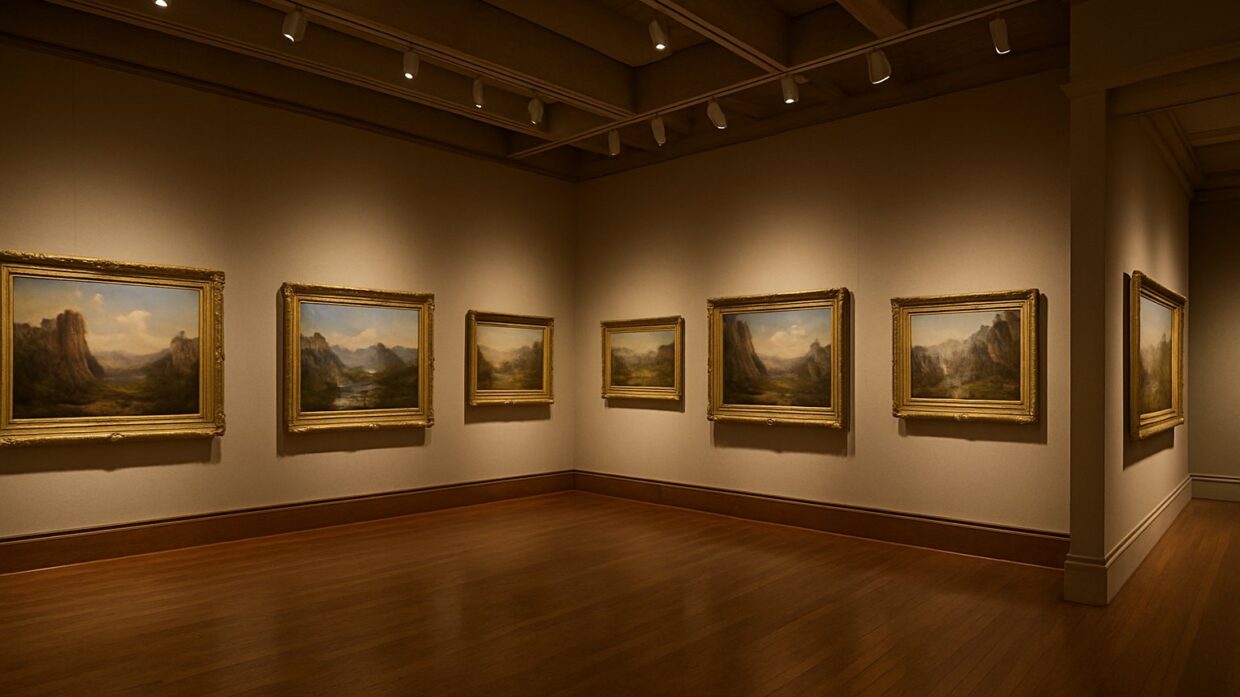
National Review's recommendation of the Buffalo Bill Center of the West in Cody, Wyoming foregrounds the museum's art collection,specifically paintings by George Catlin and Albert Bierstadt,as justification for a visitor's trip, using the phrase "superb museum of Western art" to frame the institution primarily as an aesthetic destination. The review makes no mention of Buffalo Bill's Wild West show, his role in the performing arts, or the historical debates about how that career intersected with Native American representation and stereotype. This omission is significant because the Buffalo Bill Center itself dedicates substantial institutional space and programming to that history, making the review's silence about it not an oversight but an editorial choice.
What the National Review piece actually establishes is that the museum contains legitimate Western art from recognized historical painters. The collection does include work by Catlin, known for his portraits of Native American subjects, and Bierstadt, whose landscape paintings shaped American visual understanding of the frontier. The review does not claim the art is revisionist or problematic; it identifies the collection as historically important and aesthetically accomplished. This framing is accurate as far as it goes. The museum is a functioning cultural institution with significant holdings.
The left's potential critique would emphasize that focusing on the art collection while ignoring the broader historical narrative the museum presents amounts to selective appreciation. The Buffalo Bill Center explicitly interprets Buffalo Bill's life and legacy, including his entertainment career and its relationship to American attitudes toward Native peoples. By reviewing only the Catlin and Bierstadt paintings and not engaging with how the institution contextualizes its namesake's role in shaping those attitudes, the National Review review omits a central part of what the museum actually does and what makes it culturally consequential. This omission frames the institution as neutral ground for appreciating historical art rather than as an active interpreter of contested history.
The right's framing, as reflected in the National Review piece, treats the museum as a straightforward cultural resource,good art from an important historical period, worth the trip. This position does not require defending Buffalo Bill's entire legacy or claiming no historical problems exist. It simply argues that the museum's art collection merits attention on its own terms. The review's brevity and focus on aesthetic value represent a legitimate editorial choice: a cultural publication can recommend an institution for specific qualities without comprehensively analyzing its historical interpretation or curatorial philosophy.
What neither framing addresses directly is the Buffalo Bill Center's actual institutional position on these questions. The museum maintains collections and exhibitions that do engage with difficult history, Native American perspectives, and the complexities of Buffalo Bill's historical role. The National Review review presents the institution in narrow terms,as a gallery for important Western paintings. A reader relying only on this review would not know what interpretive work the museum undertakes or how contemporary scholarship has altered the way such institutions present frontier history. The omission is not unique to National Review; it reflects a broader pattern in cultural criticism where museums are treated as either unproblematic aesthetic spaces or as politically compromised institutions, rather than as active interpreters of contested history making specific curatorial choices about what to emphasize and what questions to foreground.
The Buffalo Bill Center of the West operates as an active interpreter of contested frontier history, yet the National Review's framing reduces it to an aesthetic destination for viewing Catlin and Bierstadt paintings. This narrow treatment obscures what makes the institution culturally consequential: its explicit engagement with how Buffalo Bill's Wild West show shaped American attitudes toward Native peoples and the museum's curatorial decisions about which historical narratives to center. Visitors following the review's guidance would encounter a far more complex institution than described, one that interrogates rather than celebrates its namesake's legacy. Museums increasingly operate as sites where historical interpretation happens through explicit choices about what to display and contextualize. By omitting the Buffalo Bill Center's own framework for presenting this history, the review models cultural criticism that treats institutions as neutral repositories rather than as spaces where curators actively shape public understanding of contested pasts.