Photo: Well This Is News
Treasury Chief Optimistic on Gas Prices as Inflation Pressures Persist
Bessent: $3 Gallon Gas Coming This Summer Despite Iran Sanctions
Bessent Predicts $3 Gas by Summer While Tightening Iran, Russia Oil Sanctions
The Analysis
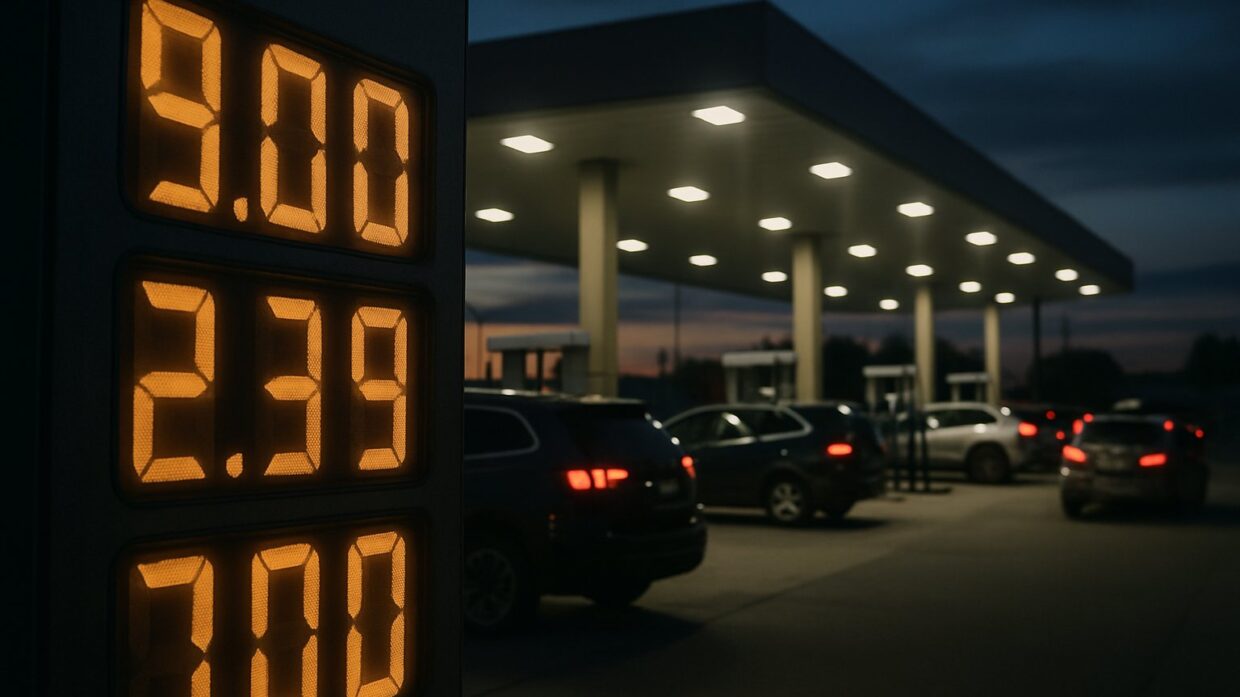
Treasury Secretary Scott Bessent said Wednesday he is "optimistic" gas prices will fall to $3 per gallon by mid-summer, but he simultaneously announced the US will not renew oil waivers for Iran and Russia—a policy contradiction neither side is fully explaining. The tension matters because you cannot logically tighten global oil supply while predicting lower prices, yet that is exactly what Bessent did in the same White House briefing.
Here are the facts: Bessent used the exact phrase "I am optimistic" when discussing a $3 per gallon target for between late June and late September. He cited "recent discussions with Middle Eastern counterparts about the Iran oil crisis" as the basis for this optimism. On the same day, according to Bloomberg's reporting, Bessent announced that "the US won't renew general licenses that let Iran and Russia sell certain types of crude oil." He also confirmed that the US sent formal letters to two Chinese banks warning them of "secondary sanctions risk" if they facilitate Iranian transactions. These are direct supply-reducing measures.
The left's framing—captured by NBC's headline "Bessent 'optimistic' about gas prices going into the summer"—strips away the sanctions announcement entirely. It presents his statement as pure economic optimism disconnected from policy. This omission is politically convenient because it allows Democrats to claim credit for falling prices (if they fall) without acknowledging that their own sanctions policy constrains the global oil market. MSNBC did not mention sanctions, Iran policy, or the contradiction at all.
The right's framing, in the Washington Examiner's "Bessent 'optimistic' gas prices will fall to $3 a gallon by midsummer," inverts the contradiction into explicit criticism. By pairing the optimism statement with the Iran policy details in a single headline, the Examiner highlights what it frames as incompetence or dishonesty—how can you predict lower prices while restricting supply? This framing is also incomplete because it doesn't explain *why* the administration is tightening Iran sanctions in the first place, which requires understanding broader Middle East strategy and geopolitical pressure from allies.
What neither side is saying: US oil sanctions on Iran and Russia have been in place for years. The specific waivers Bessent mentioned—called "general licenses"—were temporary exemptions that allowed limited Iranian and Russian crude sales under strict conditions. These waivers have been renewed periodically by successive administrations as a pressure valve: tight enough to maintain sanctions as policy, loose enough to prevent global oil prices from spiking so high they destabilize markets and harm the US economy. Bessent's decision not to renew them is a choice to tighten that valve further. Whether this improves long-term Middle East deterrence or damages short-term consumer prices is the real debate, but you cannot have both outcomes simultaneously.
The real headline is this: Treasury Secretary Bessent is betting that Middle Eastern oil producers—particularly Saudi Arabia—will voluntarily increase output to replace Iranian supply, keeping prices low despite reduced Iranian access to markets. This is a political gamble, not an economic prediction. It assumes Saudi Arabia prioritizes US strategic interests over its own market advantage at a moment when oil prices are falling anyway. Neither the left nor the right is stating this bet plainly.