Photo: Well This Is News
Trump pushes gas tax gimmick while ignoring root cause of prices
Trump takes action on gas prices with tax suspension proposal
Trump endorses federal gas tax suspension as prices climb amid Iran conflict
Key Takeaways
- Both Trump and Biden faced political pressure to suspend gas taxes during supply crises, but only Trump publicly endorsed it, revealing that both administrations privately judged infrastructure spending as less politically valuable than the appearance of price relief.
- The suspension requires congressional approval and would redirect roughly $40 billion in annual highway funding to either deficit spending or deferred maintenance, a long-term cost neither side is transparently discussing.
- The temporary nature of the proposal means it offers voters immediate pump relief during a conflict-driven crisis but no durable solution to fuel costs, making the policy rational politics rather than rational economics.
The Analysis
Trump endorsed a temporary federal gas tax suspension on Monday as national average pump prices hit $4.52 per gallon during an escalating military conflict with Iran, but both the framing of this proposal and what remains unsaid reveal how thoroughly each side has avoided the actual mechanics of what created this moment.
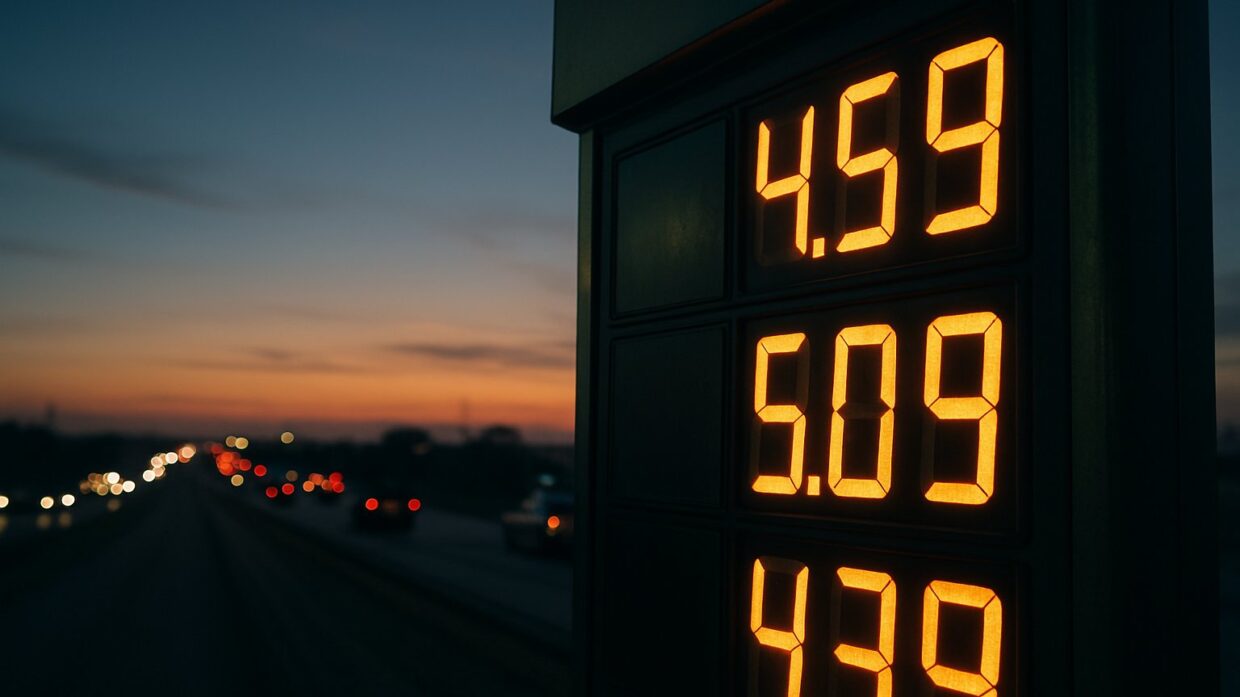
The specific fact: Trump told CBS News he would support suspending the 18.4-cent-per-gallon federal gas tax until prices stabilize. Senator John Hawley immediately announced legislation to implement the suspension. The federal gas tax generates roughly $40 billion annually for highway maintenance and infrastructure. Suspending it requires a congressional vote. Current national average is $4.52 per gallon, with California averaging $5.87. The conflict with Iran has disrupted regional oil supplies and elevated global crude prices.
The left is using language like 'gimmick,' 'hollow,' and 'theater' because NPR and MSNBC framed this as a distraction from the real causes of prices: Trump's military escalation, corporate oil company profit margins, and lack of demand management. That framing is not wrong about what caused prices to rise, but it omits that gas taxes were also in place during the Biden administration when prices were previously high, and no Democratic leader proposed suspending them then. The left's language choice reveals the argument they want to avoid: that price relief measures, regardless of their size, are politically rational responses to voter pain, and opposing them on principle looks tone-deaf. They chose the word 'gimmick' to signal the policy is cosmetic and unserious, but they did not engage with whether 18 cents per gallon actually matters to household budgets during a conflict-driven price spike.
The right is using language like 'delivers relief,' 'takes action,' and 'demonstrates responsiveness.' The Daily Wire described it as a move that 'could change your summer plans,' which mathematically claims the suspension would materially alter discretionary spending. That framing is accurate about Trump's intent to appear responsive but omits three things: (1) suspending the tax requires Congress, not executive action, so 'Trump's action' is an endorsement of future congressional action; (2) the suspension is temporary, meaning it provides no long-term fuel cost relief or price stability; and (3) it reduces revenue for highway maintenance during a period when the Highway Trust Fund is already depleted and states are deferring infrastructure repairs. The right's language reveals the argument they want to avoid: that temporary tax relief during a geopolitical crisis differs materially from permanent tax policy, and framing a pause as 'action' obscures that the real decision lies with Congress.
What neither side named: this is the second time in four years that a U.S. president has proposed gas tax suspension during a supply crisis. Biden's administration considered and rejected it in 2022. Trump's proposal now reverses his own previous position that gas taxes should not be eliminated. The suspension would shift the burden of highway funding to either deficit spending or reduced maintenance. The timing during active military conflict with Iran reveals both sides understand that voters weigh energy prices more heavily than infrastructure funding, a political reality that survives every administration.
The honest headline: Trump endorses temporary gas tax relief as Iran war drives prices up, but Congress alone can deliver it and only temporarily.
A temporary gas tax suspension sounds like relief but transfers $40 billion in annual highway maintenance costs to either federal deficit spending or deferred infrastructure repairs that states cannot afford. If Congress approves Trump's proposal, the Highway Trust Fund loses its primary revenue source during a period when it is already depleted and states are canceling bridge repairs and road resurfacing projects. The political calculation both parties made is identical: voters punish leaders for high gas prices faster than they punish them for crumbling highways. This proposal institutionalizes that preference into policy, guaranteeing that the next supply crisis will generate the same temporary fix while the backlog of unfunded infrastructure repairs grows.