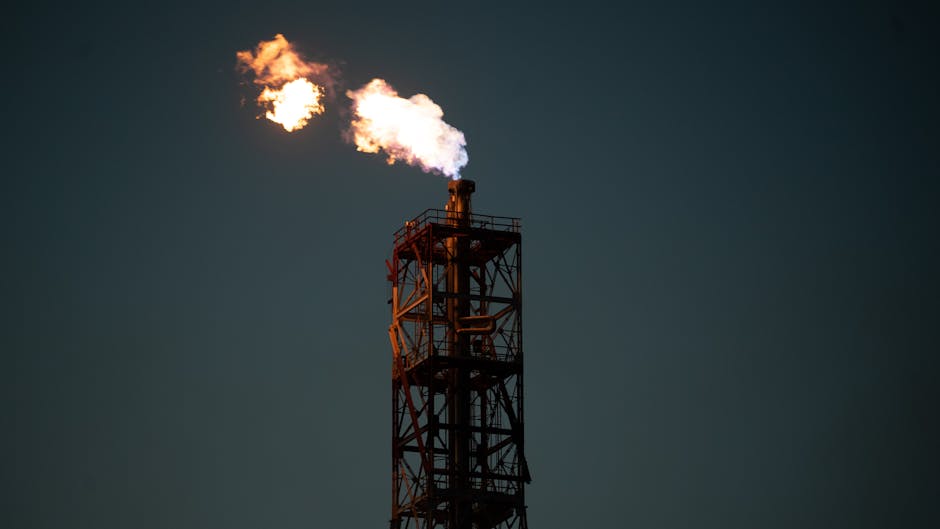
Photo: Ulises Castillo
War with Iran pushes eurozone inflation to 3-year high, threatening economic recovery across Europe
Energy crisis from Iran tensions exposes Europe's dependence on unstable markets and weak energy policy
Iran conflict drives eurozone inflation to 3% as energy costs surge amid geopolitical instability
Key Takeaways
- The Iran conflict did not begin in 2026: the US withdrew from the nuclear agreement in 2018, but tensions were never resolved during the Biden administration, making the current escalation a foreseeable consequence of years of failed diplomacy rather than a sudden external shock.
- Europe's energy vulnerability stems partly from deliberate policy choices made in coordination with American interests, including the 2022 shift away from Russian energy, meaning the region cannot claim complete innocence in creating its own exposure.
- The real inflation driver is the intersection of American Iran policy and European structural dependence on Middle Eastern energy, meaning preventing this outcome would have required either different US diplomacy or different European energy strategy, neither of which occurred.
The Analysis
Eurozone inflation hit 3% in April, up sharply from 2.6% in March and 1.9% in February, with energy prices as the explicit driver. The Guardian reported the figure alongside the Iran war as the causal mechanism, but the framing obscures what both political sides are omitting about how we arrived at this moment.
The factual sequence is clear: Iran conflict intensified. Oil markets responded. Energy prices climbed across Europe. Inflation accelerated. The ECB now faces interest rate decisions under pressure. This is the verified chain of causation, and it is accurate as far as it goes.
The left frames this as a crisis of geopolitical instability created by the Trump administration's confrontational approach to Iran. The language chosen is telling: "war with Iran," "destabilizes," "vulnerable." This framing treats the conflict as an external shock imposed on Europe by American policy, with Europe cast as a victim of American aggression. The omission is deliberate: it ignores that the Iran conflict did not begin in 2026. The US withdrew from the Joint Comprehensive Plan of Action in 2018. Iran responded with nuclear escalation. Tensions have been building for years. The left frames this as a recent Trump mistake, not as continuation of a policy trajectory that began in the first Trump administration and was never reversed during the Biden years. That omission allows the left to blame current inflation exclusively on American adventurism, not on European energy policy choices made over decades.
The right frames this as evidence of Europe's dangerous dependence on unstable markets and weak energy diversification. The language is different: "exposed," "mismanagement," "dependence." This framing treats inflation as the predictable consequence of poor European planning, not American aggression. The omission here is equally calculated: it avoids naming that European energy vulnerability was partly created by deliberate policy choices made in coordination with American interests. Europe was encouraged to reduce reliance on Russian energy in 2022, a strategic choice with real costs. But the right avoids discussing what caused the Iran escalation in the first place, presenting the conflict as an exogenous shock that exposed pre-existing European weakness, rather than as a consequence of specific policy decisions about Iran diplomacy and nuclear agreements.
Neither side is saying this: The eurozone inflation spike is real and significant, but it is the product of a broken diplomatic architecture. The JCPOA withdrawal in 2018 was a choice. The absence of diplomatic restoration during 2021-2025 was a choice. The current Iran escalation is the foreseeable consequence of those choices. Europe did not cause the conflict, but Europe is paying the price for having no independent agency in the Middle East. The inflation is not punishment from outside. It is the cost of structural dependence on a region where American policy drives events and where European capitals have almost no independent leverage.
The real headline: Eurozone inflation reached 3% in April because American Iran policy and European energy dependence intersected. This was preventable, but preventing it would have required either different US diplomacy or different European energy strategy. Neither happened. The inflation is the bill coming due.
Eurozone inflation exposes a structural vulnerability rooted in decades of European dependence on American Middle East policy without the diplomatic or energy autonomy to shape outcomes independently.