Photo: Well This Is News
Trump weaponizes Justice Department to prosecute critic Comey over political speech
Comey finally faces consequences for years of anti-Trump bias at FBI
Comey indicted as Trump Justice Department prosecutes ex-FBI director over social media post
Key Takeaways
- Trump personally told reporters he believed Comey's social media post endangered his life and appeared to signal approval of the prosecution, which is the exact behavior legal scholars identify as politicizing the Justice Department.
- An indictment is neither a conviction nor proof of wrongdoing, yet both sides are treating it as either vindication or tyranny before any trial has occurred.
- The precedent being set is whether a president can direct his attorney general to indict his fired subordinate turned critic, which fundamentally changes what an independent Justice Department means regardless of Comey's actual conduct.
The Analysis
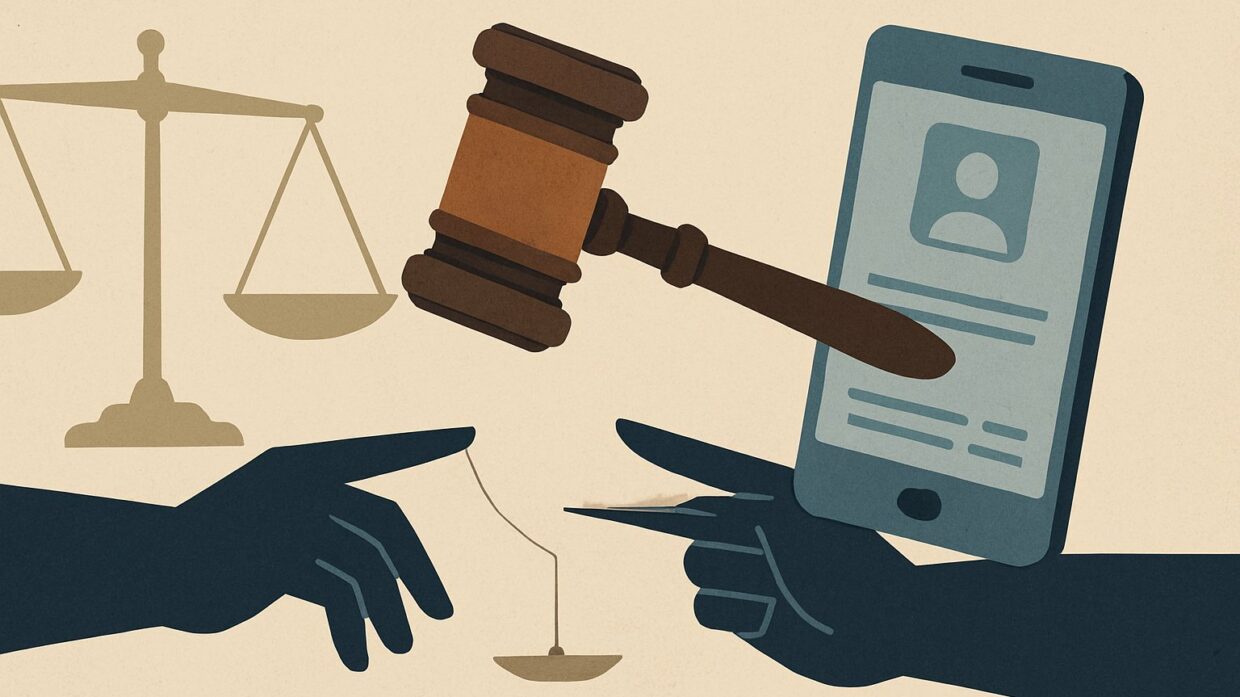
The indictment of former FBI Director James Comey marks a critical inflection point: the Trump Justice Department is now prosecuting a high-profile critic using the same institution Comey once led, with Trump personally calling the target's speech dangerous and hinting his attorney general should act. This is the specific fact neither side wants centered in the conversation.
Here is what actually happened. James Comey, who served as FBI director from 2013 to 2017 under Obama and early Trump, was fired by Trump in May 2017. After leaving the FBI, Comey wrote a memoir, appeared frequently on television, and made social media posts critical of Trump. One post contained the phrase "86 47," a reference that observers on both sides interpreted as anti-Trump rhetoric. Acting Attorney General Todd Blanche's Justice Department indicted Comey for this social media activity. Trump told reporters he believed Comey's post "probably" put his life in danger. Ty Cobb, who served as Trump's attorney during the first investigation into the Trump campaign, called the prosecution "classic revenge."
The left is framing this as selective prosecution and a threat to democracy itself. MSNBC and HuffPost use language like "happy with acting Attorney General Blanche" and describe the case as an attempt to "intimidate" critics. This framing omits several facts: that the Justice Department must still prove the specific criminal allegations in court, that an indictment is not a conviction, and that prior administrations also prosecuted former officials and critics. It also omits that Comey was fired by Trump and then became a persistent television critic of the Trump administration, creating a personal grievance that predates this indictment. The left's narrative of "authoritarianism" is real as a concern but incomplete as journalism.
The right frames this as long-overdue accountability. The Federalist and The Daily Wire emphasize Comey's years running the FBI during investigations into Trump, describing him as having "weaponized the Justice Department" and calling this indictment justice. This framing omits that Comey's FBI decisions were reviewed by inspectors general and congressional committees at the time, that Comey has never been convicted of crimes, and that Trump personally signaling to his attorney general that he is "happy" with a prosecution of a critic is the exact behavior legal scholars across the spectrum identify as politicization of the Justice Department. The right avoids the structural problem entirely.
What neither side is saying: This prosecution, real or symbolic, follows a pattern. Trump fired Comey in 2017 and has spent eight years describing him as corrupt and dangerous. Now a Trump-appointed attorney general prosecutes him. The precedent this sets is clarifying. If a sitting president can direct his attorney general to indict his fired subordinate turned critic, the independence of the Justice Department has already been lost. Comey's actual conduct at the FBI can be debated. His 2024 social media post can be analyzed. But both debates become meaningless if they occur in a system where presidential displeasure predicts indictment.
The real headline: Trump's Justice Department indicts Comey while Trump personally signals approval, raising fundamental questions about whether a weaponized Justice Department looks like this, or whether we have already reached it.
Prosecuting a political critic through the Justice Department after the president signals approval to his attorney general destroys the institutional independence required for any legal system to claim impartiality, regardless of the defendant's actual conduct or prior service.