Photo: Well This Is News
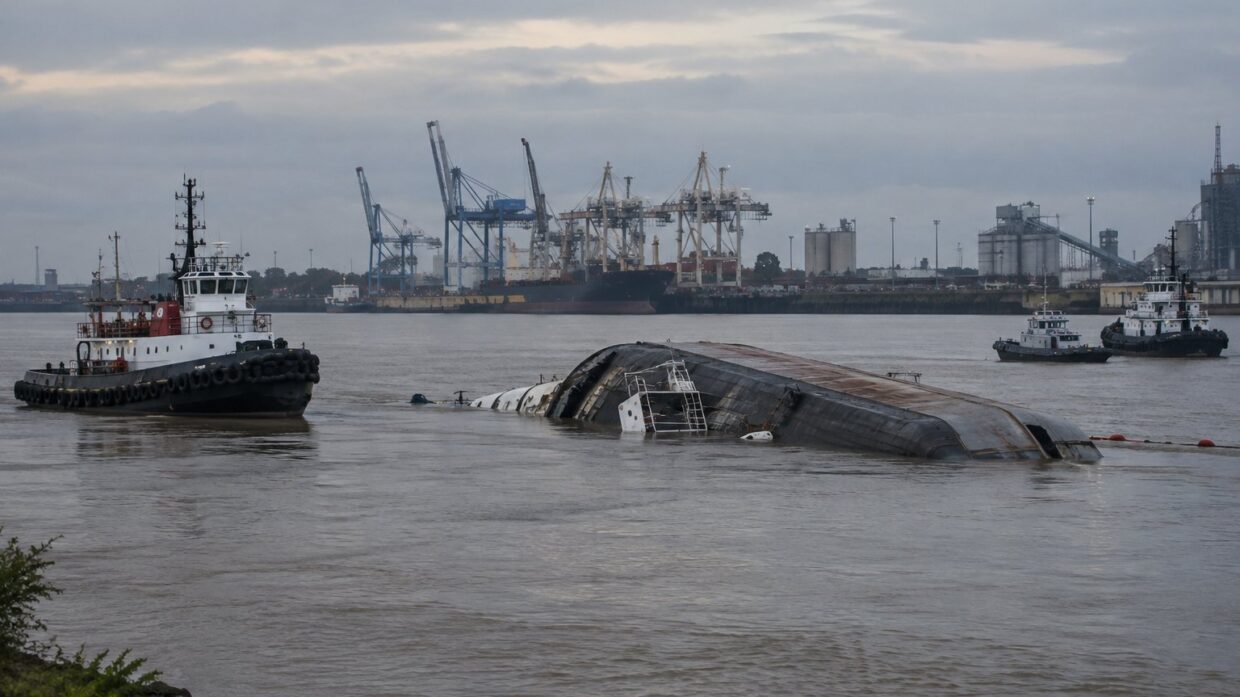
Major rescue underway after tanker strikes riverboat with 100+ passengers in New Orleans
Atlantic Asphalt tanker crashes into American Heritage cruise ship at Port of New Orleans
Tanker collides with docked riverboat at Port of New Orleans, over 100 aboard
Key Takeaways
- The Port of New Orleans, which handles over 500 million tons of cargo annually under Army Corps of Engineers and Coast Guard oversight, had a large tanker strike a docked passenger vessel carrying 129 people, raising questions about how such collisions occur at federally regulated major ports.
- Neither left nor right coverage has examined what operational circumstances, port traffic protocols, or vessel management failures permitted a large commercial tanker to collide with a stationary passenger ship.
- The investigation must determine whether this was an isolated operator error or a signal of systemic gaps in vessel traffic separation, port authority oversight, or maritime safety enforcement at the Port of New Orleans.
The Analysis
A tanker identified as the Atlantic Asphalt vessel struck the American Heritage riverboat at the Port of New Orleans on Friday around 12:30 p.m., with more than 129 people aboard the docked cruise ship. The collision capsized the riverboat, prompting immediate search and rescue operations. As of the initial reports, no injuries had been documented, though rescue efforts were ongoing. This is a significant maritime incident at one of the nation's largest ports, but what neither the mainstream nor conservative outlets are yet addressing is the operational context that permitted a large tanker to strike a docked passenger vessel.
NBC News emphasized the scale of the rescue operation and the vulnerability of passengers, using language like "much larger tanker ship" and "major rescue effort" to frame this as an emergency requiring urgent response. The framing centered on immediate human danger and dramatic rescue operations. This emphasis serves a narrative function: it highlights the need for emergency resources and competent response coordination. What the left-leaning coverage has not yet foregrounded is how the collision occurred in the first place, or what port operations protocols were or were not followed.
The Washington Examiner and Daily Wire framed the incident more factually, naming the specific vessel (Atlantic Asphalt tanker) and the specific cruise line (American Cruise Lines' American Heritage), then detailing the emergency response. This naming convention grounds the story in verifiable operational details rather than emotional resonance. The right-leaning outlets did not emphasize rescue drama; they emphasized the incident itself as a discrete event. What this framing leaves out is whether this represents a pattern or a singular accident, and whether port authority protocols require examination.
What neither framing addresses is the operational question: how does a large tanker strike a docked passenger vessel in a major U.S. port? The Mississippi River at New Orleans is one of the world's most heavily trafficked waterways, with federal oversight from the Army Corps of Engineers and the U.S. Coast Guard. The Port of New Orleans handles more than 500 million tons of cargo annually. A collision between a tanker and a docked passenger ship raises questions about vessel traffic separation, port authority oversight, and whether this incident reflects systemic safety lapses or a specific operator failure. The available reporting does not yet establish what operational circumstances permitted the collision.
The incident occurred on the Mississippi River in one of the busiest ports in North America, where collision risk involves not just the immediate vessels but the broader maritime commerce infrastructure. Port safety protocols, vessel traffic management, and coordination between commercial and passenger traffic are regulated by federal maritime law and port authority procedures. The immediate rescue operation was the correct priority, but the subsequent investigation will need to determine whether this was an isolated human error or a signal of inadequate traffic management, maintenance, or regulatory enforcement.
The underlying question is not whether rescuers responded appropriately, but whether the port's operational framework prevented what should have been preventable. That distinction matters for policy implications going forward.
The Port of New Orleans handles over 500 million tons of cargo annually under Army Corps of Engineers and Coast Guard oversight, yet a large tanker struck a docked passenger vessel carrying 129 people, suggesting either catastrophic operator failure or systemic gaps in vessel traffic separation protocols. Federal maritime law governs collision prevention at this major commercial hub, and the investigation's findings will directly determine whether port authority procedures require revision, whether vessel traffic management systems need upgrading, or whether specific operator licenses face suspension. A preventable collision at America's second-busiest port exposes vulnerabilities in the regulatory framework governing the Mississippi River corridor, where commercial tankers and passenger operations share confined waterways. Future port safety policy and Coast Guard oversight authority will depend on whether investigators identify this as isolated negligence or structural inadequacy in traffic coordination.