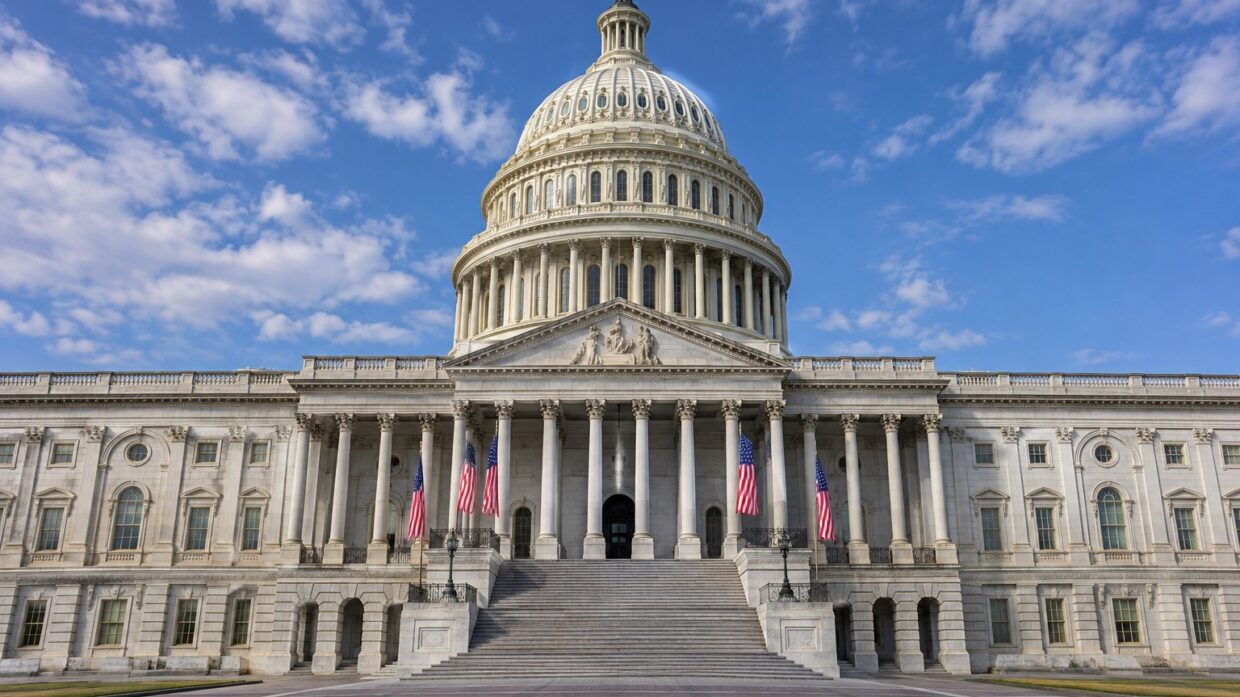
Photo: Well This Is News
Democrats prepare investigations as they reclaim Congress; Trump deflects blame for Republican collapse
Democrats threaten Trump with subpoenas after midterm victory; president says GOP would have won with him on ballot
Democrats warn Trump administration after midterm sweep; president blames GOP losses on his absence from ballot
Key Takeaways
- Both parties immediately claimed the midterm results validated their preferred interpretation without citing exit polling or voter data about what issues actually drove the outcome.
- Trump's claim that his personal absence from the ballot explains Republican losses contradicts the implicit right-leaning argument that GOP defeats reflect policy failures independent of Trump.
- Democratic investigations into Trump officials follow from congressional control and represent standard divided-government oversight, but news coverage did not establish which specific Trump administration actions warranted examination.
The Analysis
Democrats won control of Congress in 2026 midterms and within hours signaled their legislative agenda would center on investigating Trump administration officials. Sen. Ron Wyden's single-word social media post, 'Subpoenas,' framed the Democratic victory not as a mandate for positive legislation but as a mandate to examine Trump-era decisions. Trump responded by claiming the Republican losses reflected his absence from the ballot rather than voter rejection of GOP candidates or policies. The immediate framing by both sides leaves out what the election data may actually establish about why voters shifted control.
The factual record shows Democrats won both chambers, a significant reversal from 2024. Lawmakers including Pete Hegseth's future Senate opponents moved quickly to pledge investigations into his Pentagon decisions and statements. Trump told Truth Social and other outlets that Republicans would have performed better with him as a candidate, framing the midterms as a referendum on his personal political appeal rather than on governance. He also stated willingness to accept the results, a phrase that appeared designed to establish baseline democratic compliance while maintaining his interpretation of what the results meant.
The left-leaning framing emphasizes accountability and oversight. Democratic messaging selected language like 'lawyer up' and positioned subpoenas as a natural consequence of Trump administration conduct. This framing leaves out several contextual points: what specific Trump policies or officials warrant investigation, whether Democratic investigations might also face legal exposure given potential conflicts of interest, and whether voters cited Trump administration actions as their primary reason for switching their votes. Politico's coverage highlighted Biden alumni as architects of the Democratic victory, a narrative that credits Democratic bench strength but does not establish the degree to which midterm voters were responding to Trump's record versus dissatisfaction with Republican economic messaging or other factors.
The right-leaning framing emphasizes Democratic overreach and Trump's perceived political indispensability. Fox News coverage selected language framing Democratic threats as aggressive pressure tactics deployed immediately after victory, before negotiations or transition processes could begin. This framing leaves out that investigation authority follows from congressional control and is a standard feature of divided government. It does not address what conduct by Trump officials, if any, might warrant examination. It also does not engage Trump's own claim that his absence from the ballot explains the outcome, which appears to contradict the implicit right-leaning argument that Republican losses reflect policy failures unrelated to Trump's involvement.
What neither side's framing adequately addresses is the underlying question of causation. The available coverage does not establish what specific issues drove the midterm outcome. Exit polling, if reported, does not appear in these summaries. The sequence suggests that both parties moved immediately to their preferred interpretations of the results rather than allowing evidence about voter motivations to shape initial messaging. Trump's claim about his own electoral value and Democratic claims about a mandate to investigate both rest on interpretations of voter preference that the reporting does not substantiate with data.
Congressional Democrats now control both chambers with investigative authority that will shape executive accountability for the next two years, but their immediate pivot toward subpoenas rather than legislative priorities signals they view the 2026 midterms primarily as a vehicle for retrospective judgment rather than forward-facing policy. Trump's counterargument that Republican losses stem from his absence from the ballot rather than voter rejection of GOP governance creates a dangerous interpretive gap: both parties are claiming mandates based on the same election results without evidence about what voters actually prioritized. If neither party addresses the genuine drivers of the midterm shift, Democratic investigations risk appearing partisan rather than substantive, while Republican claims about Trump's electoral magic become unfalsifiable and detached from actual governance performance. The institutional consequence follows immediately: a Congress positioned for accountability theater instead of meaningful oversight or legislative accomplishment.