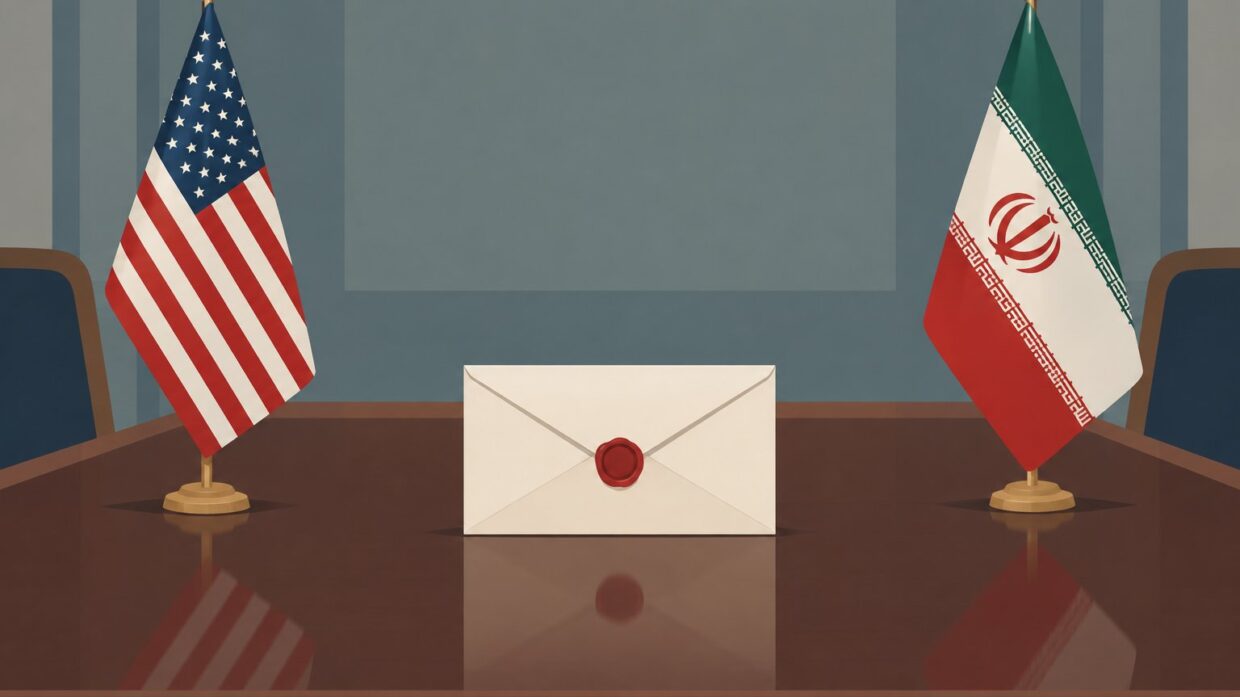
Photo: Well This Is News
Vance Letter to Iran May Offer Last Chance to Avert Fresh US-Iran Conflict
We haven't found a right-leaning take on this story yet.
Breaking stories sometimes publish before every side has covered them. We'd rather show you that than invent a view.
Vance Sends Letter to Iran Security Official as US Signals Diplomatic Channel
Key Takeaways
- Vice President Vance sent a personal letter to Iran's top security official and Iran confirmed receiving it through state media, but the letter's specific contents and exact timing remain unreported.
- Iran's negotiators publicly stated they would not shift their position on ending current hostilities, meaning the letter did not immediately change Tehran's stated negotiating stance.
- Diplomatic channels between the US and Iran can operate in parallel with hostile military actions and rhetoric without automatically signaling a shift in official policy from either side.
The Analysis
Vice President JD Vance sent a personal letter to Iran's top security official, confirmed by Iran's Tasnim news agency, with the communication arriving during a period of heightened US-Iran tensions. What the reporting does not establish is the letter's specific contents, the exact timing of the exchange, or whether this represents a shift in stated US policy toward Iran.
The Guardian frames this as a potential diplomatic opening, emphasizing that Washington has not abandoned negotiation and that Iran's response could determine whether conflict is averted. The language used, "last chance" and "hopes of averting a major new conflagration," constructs a high-stakes narrative around a single communication. This framing leaves out what Iran's position on that communication actually was beyond the Tasnim report, and it does not acknowledge that diplomatic channels often exist in parallel with hostile rhetoric without necessarily signaling policy change.
The Washington Examiner's coverage focused on Trump and Vance's campaign messaging about MAGA policy direction and did not report on the Iran letter at all, treating the two figures as separate political entities presenting different versions of the movement to voters. That outlet's framing emphasizes internal Republican coalition dynamics rather than any foreign policy substance.
Bloomberg's reporting establishes a more complete picture: Iran received the letter and through one of its top negotiators signaled that Tehran would not compromise on its stated positions regarding ending current hostilities. This is a material fact The Guardian's framing downplayed. Bloomberg does not characterize the letter as a "last chance" or attach apocalyptic stakes to it. Instead, the reporting simply notes the exchange occurred and Iran's response suggested limited movement on Iran's stated terms.
What neither framing fully captures is the baseline context. The US and Iran have exchanged hostile military actions and rhetoric recently. Whether a vice-presidential letter represents a meaningful diplomatic overture or routine communication in an ongoing back-channel depends on what the letter actually proposed and what Iran's negotiators meant by signaling "no shift." The available reporting does not disclose these details.
The Guardian's framing serves a narrative function: it emphasizes the fragility of peace and positions a single letter as consequential. This is consistent with coverage that highlights diplomatic windows and potential crises averted. Bloomberg's framing is more cautious, noting Iran's response without inferring its meaning beyond what Tehran's negotiators explicitly stated.
The most accurate headline would acknowledge that diplomatic communication occurred, that Iran confirmed receiving it, and that Iran publicly stated it would not shift its negotiating position. Whether this represents genuine diplomatic progress, routine messaging, or positioning for future talks remains unclear from the available record.
Vance's letter establishes an official communication channel between the incoming Trump administration and Iran's security apparatus at a moment when both sides have conducted military operations against each other. If this channel persists beyond symbolic gestures, it creates institutional infrastructure for negotiation that could bypass the State Department's traditional role in foreign policy, concentrating Iran diplomacy within the vice president's office. This structural shift matters because it signals how the second Trump administration will conduct sensitive negotiations, potentially marginalizing career diplomats and creating parallel decision-making hierarchies. Iran's stated unwillingness to shift positions suggests the letter functioned as a signal of willingness to talk rather than a breakthrough, but the mere existence of direct vice-presidential contact means future escalations now carry the risk of miscommunication across an untested channel operating outside public or congressional oversight.