Photo: Well This Is News
Trump's approval rating bottoms out at worst possible moment for GOP
We haven't found a right-leaning take on this story yet.
Breaking stories sometimes publish before every side has covered them. We'd rather show you that than invent a view.
Trump's approval rating hits new lows in dual polling releases
Key Takeaways
- The HuffPost reporting names two major polls showing Trump approval at historic lows but does not identify which polling organizations conducted them, their exact methodology, margins of error, or the specific numerical readings.
- The article does not establish whether Trump's approval decline resulted from a specific recent event, accumulated dissatisfaction over time, or media coverage patterns.
- Trump's approval ratings at these levels lack documented historical comparison to other post-presidency figures or precedent for whether such lows typically recover or predict electoral outcomes.
The Analysis
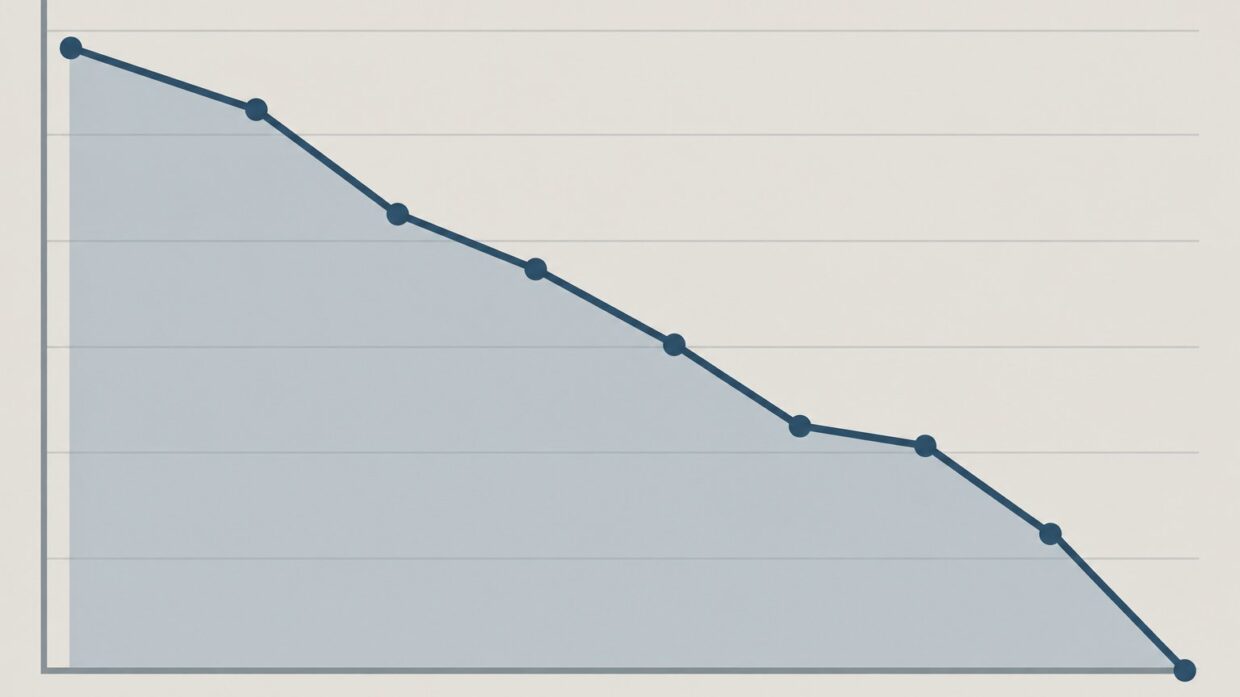
Two polling organizations have released approval data on Trump at levels described as historic lows, according to HuffPost reporting. The left-leaning outlet frames this as 'bottoming out at the worst possible time for the GOP,' language that embeds both a factual claim and a political judgment.
What the reporting establishes: Multiple polls have registered Trump approval at or near their lowest recorded measurements. HuffPost names 'two major polls' but the available summary does not specify which organizations conducted them, what their exact methodologies were, or what the specific numerical readings were. The outlet's language choice, 'worst possible time,' conveys urgency but shifts focus from the polling data itself to its electoral implications.
The left's framing emphasizes timing and consequence. By pairing 'bottoming out' with 'worst possible time for the GOP,' HuffPost signals that these numbers carry immediate political damage. The framing leaves implicit what it does not state explicitly: whether the decline reflects a specific triggering event, accumulated fatigue with Trump's political profile, or broader shifts in the electorate. It also does not address whether approval ratings at this level have historically translated to electoral outcomes the left predicts, or whether there are historical precedents where such lows later recovered.
What the right is not saying in the available sources: No right-leaning perspective appears in the provided material. This is significant because right-leaning sources typically respond to approval rating stories in several ways: questioning poll methodology or sample composition, noting that approval ratings do not determine electoral outcomes, highlighting specific demographics where Trump's approval remains stronger, or contextualizing the timing by reference to media coverage they argue is unfavorable. None of these counterarguments appear in the data provided.
What neither side addresses directly: The sources do not establish what policy, event, or sequence triggered the movement in these particular polls. Approval ratings shift for documented reasons, and the absence of that causal explanation in the HuffPost reporting is notable. It leaves readers uncertain whether the decline reflects recent developments or represents accumulated dissatisfaction over a longer period.
Also absent: The specific numerical readings themselves. 'Bottoming out' is comparative language that requires a baseline. The reporting does not provide Trump's previous approval levels, the current exact figure, or how these measurements compare to other post-presidency political figures. Without those numbers, readers cannot independently assess whether the characterization of 'historic lows' is accurate or relative.
The methodological gap matters. Different polling organizations use different sampling approaches, weighting, and question phrasing, all of which can produce different results. The reporting mentions 'two major polls' but does not name them, report their margins of error, or explain why two polls specifically matter more than the broader polling landscape.
What this signals about the current political environment: If multiple independent polling organizations are indeed registering similar downward movement, that pattern itself is worth reporting. But the HuffPost framing emphasizes political consequence over methodological rigor, which suggests the outlet is primarily interested in mobilizing Democrats rather than establishing what the actual data shows.
Approval ratings without context become political messaging rather than actionable information. When multiple polls register similar declines simultaneously, that pattern should trigger investigation into causal factors: Did a specific event trigger the movement, or does this reflect accumulated fatigue? HuffPost's omission of the actual numerical readings, the specific polling organizations involved, their methodologies, and margins of error transforms data into narrative. This matters because low approval ratings only predict electoral outcomes when paired with concrete analysis of which voter cohorts shifted, whether the decline persists across time, and how previous presidents recovered from comparable lows. Without those details, media outlets convert polling into cheerleading, and voters lose the information required to distinguish between temporary fluctuation and sustained erosion of political support.