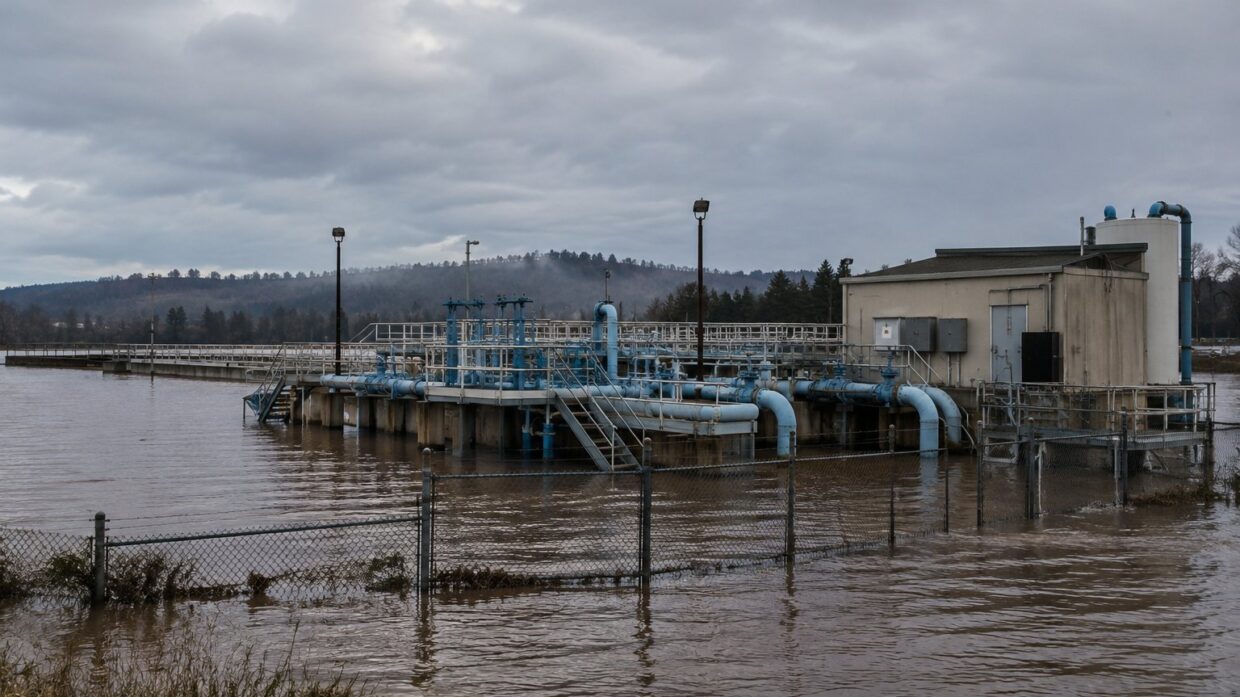
Photo: Well This Is News
Climate crisis survivors unite as political force while infrastructure faces existential threat
We haven't found a right-leaning take on this story yet.
Breaking stories sometimes publish before every side has covered them. We'd rather show you that than invent a view.
Study warns half of US water systems face severe weather risks; survivors organize politically
Key Takeaways
- The Yale study identifies which specific threats matter most to water systems, but reporting does not clarify whether risks are immediate crises or gradual challenges that can be managed through adaptation.
- Survivor activists and water infrastructure engineers may be describing different timelines and severity levels for the same underlying problem, without public clarity on whether they align.
- Water security is shifting from a technical utility issue into a climate and political constituency issue, but no reporting yet documents what concrete policy changes survivors are demanding or whether those match what engineers recommend.
The Analysis
Two separate pieces of reporting converge on the same underlying fact: severe weather is destabilizing American water systems at scale, and the people experiencing these disasters directly are beginning to organize around it as a political issue. The Yale Climate Connections study quantifies the scope, identifying flooding, wildfires, extreme heat, and rising sea levels as specific threats to drinking water infrastructure. The Guardian reports on the political response: survivors gathering in Texas, where a flooding event killed 136 people, to convert personal experience into organized pressure for policy action.
The left framing emphasizes the human cost and moral urgency. The Guardian's language choices reveal this approach: "survivors" rather than "residents," "growing group" rather than "scattered incidents," and the phrase "a club none of its members actually want to be in" which personalizes the crisis by highlighting involuntary membership. This framing pairs individual testimony with systemic vulnerability, suggesting that the scale of the threat and the scale of the political response are now beginning to match. The narrative momentum is from private suffering toward collective action.
The right has not generated a competing frame in the available coverage. No conservative outlet appears to have run a counternarrative on this story at the time of publication, which itself is worth noting. The absence of a right-leaning analysis does not mean the right supports the left's framing; it may indicate that water infrastructure vulnerability is treated as a technical issue rather than a cultural or political one on conservative media.
What neither framing directly addresses is the specificity of which systems are vulnerable and why. The Yale study says "half" of drinking water systems face some risk from severe weather, but the available summary does not establish whether this risk is immediate, preventable, distributed equally across regions, or already priced into municipal budgeting. A reader learns that water systems face threats but not which threats are most severe in which regions or what adaptive capacity already exists. The Guardian's focus on survivor organizing means the reporting does not examine what specific policy changes survivors are demanding or whether those demands align with technical assessments from water infrastructure engineers.
The political consequence is clear: as weather-related disasters accumulate and survivors organize, pressure is building on elected officials to act. What remains undisclosed is whether the threat levels established by Yale's research align with the urgency claimed by survivor activists, or whether the two are describing related but distinct problems. The infrastructure vulnerability may be gradual and manageable through adaptation; survivor political organizing may be driven by acute trauma that requires more immediate, visible response. Neither framing reconciles these possibilities.
The real question is whether this represents a shift in how Americans understand water security, from a utility issue to a climate issue to a political constituency issue. The convergence of technical warning and grassroots organizing suggests the answer is yes, but the public record does not yet establish what policy responses will actually follow.
Half of American water systems now face documented severe weather risks at the moment when disaster survivors are converting personal loss into organized political pressure. This convergence forces elected officials to respond to climate vulnerability not as an engineering problem to be managed gradually, but as a constituency issue demanding visible action. The Yale study quantifies the threat; survivor organizing in Texas and beyond creates the political cost of inaction. Together, they are reframing water security from a technical infrastructure question into a climate reckoning that candidates cannot ignore. The specific policies survivors demand may diverge from what engineers recommend, but the political opening is real. Water infrastructure funding decisions that would have proceeded quietly through municipal budgets now face public scrutiny from voters who have lost homes and relatives. This shift in who gets to define the problem reshapes infrastructure investment priorities for the next decade, regardless of whether the technical risk assessments support the urgency survivors claim.