Photo: Well This Is News
Musk and Anthropic promise shares to public as AI wealth inequality sparks backlash
Musk to give SpaceX shares to every American child, Anthropic commits 5% of stock
Musk and Anthropic pledge equity distribution amid AI wealth concentration concerns
Key Takeaways
- Neither Musk nor Anthropic disclosed essential implementation details such as how shares would be held for minors, whether recipients gain voting rights, or what tax consequences would apply.
- SpaceX is not a publicly traded company, raising immediate questions about whether Musk's pledge is legally or operationally feasible as described.
- Both announcements use vague language about timing and mechanism despite high-profile framing, making it unclear whether these are binding commitments or aspirational statements designed for reputation management.
The Analysis
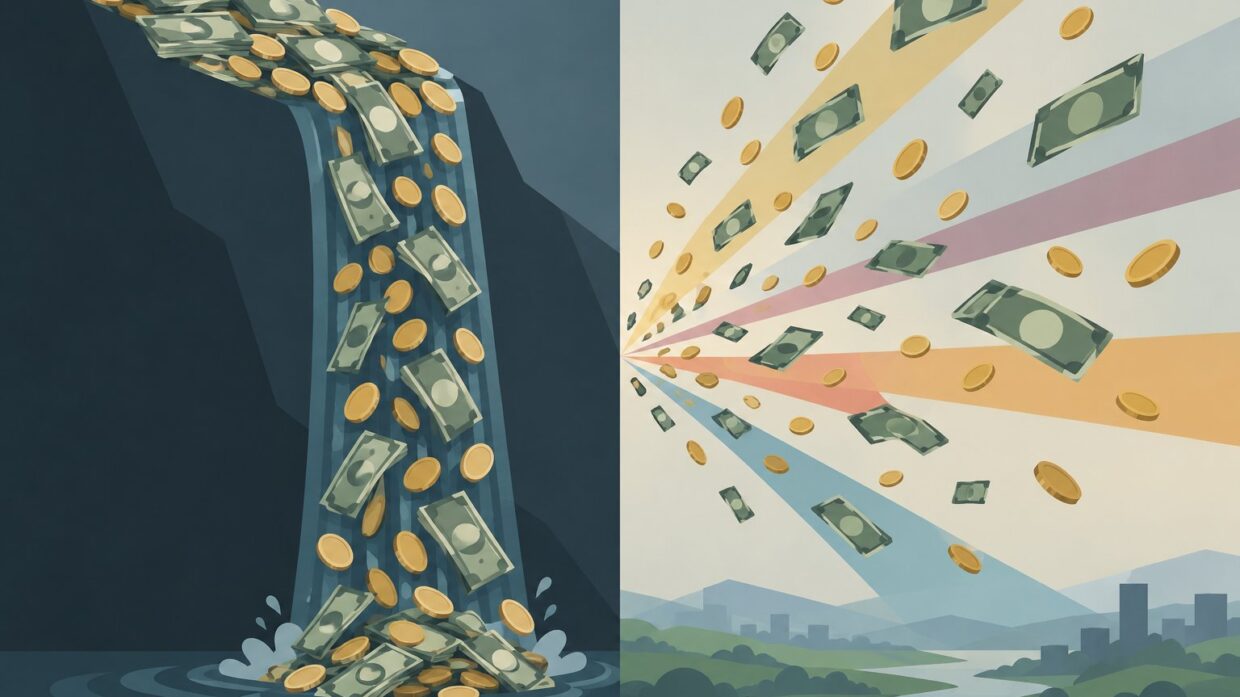
Elon Musk pledged to give one SpaceX share to every child in America next year, valued at approximately $11 billion at current stock prices, while Anthropic announced it will commit 5 percent of its shares to a new public benefit fund. Both announcements arrived as the AI industry faces mounting criticism over how wealth and control concentrate in the hands of a small number of billionaires and their companies. What neither pledge actually specifies is how either distribution would work legally, whether recipients would gain voting rights, or what would prevent immediate secondary sales that would undermine the stated equalizing intent.
Musk framed his pledge as "the first of many," suggesting a pattern of wealth distribution he intends to establish. The Axios reporting notes the giveaway would exceed Michael Dell's previous record charitable contribution, positioning it as historically significant by comparative magnitude. Anthropic's public benefit fund language, as reported in The Hill summary, described the commitment as a response to industry heat over AI's potential impact on society and labor markets. Both announcements emerged within the same timeframe, creating an appearance of coordinated response to public concern, though the sources do not establish whether either company coordinated with the other.
The left-leaning framing, evident in NBC's headline about giving the public "a piece of the AI pie," emphasizes economic justice and response to public pressure. This framing centers wealth concentration as the problem and treats billionaire-directed distribution as evidence of accountability. What this narrative leaves unexamined is whether equity shares without governance rights constitute meaningful wealth transfer, or whether these pledges function as reputation management without structural change to how AI companies operate or who controls their development.
The right-leaning framing in Breitbart emphasizes the scale and generosity of Musk's specific commitment, leading with the headline about giving shares to "every kid in America." This framing treats the pledge itself as newsworthy virtue without questioning feasibility or implementation details. The Breitbart version does not address whether SpaceX is a publicly traded company that could execute such a distribution, or what regulatory and logistical obstacles might prevent it.
What neither framing adequately addresses is the absence of operational detail. Neither Musk nor Anthropic has disclosed how shares would be held for minors, whether recipients could vote those shares, whether there are restrictions on sale, or what tax implications would apply. The record does not establish whether these are announcements of binding commitments or aspirational statements. Musk's phrase "next year" provides a timeline but no mechanism. Anthropic's 5 percent commitment is more specific in percentage but equally vague on implementation. Both pledges may be genuine, or may reflect what economists call performative redistribution, where announcement creates political benefit regardless of execution.
The underlying question is whether wealth distribution statements from billionaires and their companies signal genuine structural change in how AI wealth and power concentrate, or whether they function as pressure-release valves that allow the industry to acknowledge inequality while preserving the fundamental control structures that created it. The record establishes the pledges were made. It does not yet establish whether they will be executed as stated or what they will actually cost their makers.
If these pledges reach implementation, they would establish a precedent for how AI companies respond to wealth concentration pressure that regulators and other tech leaders will either replicate or reject. Musk's commitment to distribute SpaceX equity to millions of American children creates immediate questions about custodial structures, voting rights, and tax treatment that will require legislative or regulatory clarification regardless of feasibility. Anthropic's 5 percent public benefit fund structure, if operationalized, could influence how other AI firms structure their ownership to deflect antitrust scrutiny. The real institutional consequence arrives when shareholders in publicly traded companies or SEC regulators must determine whether these distributions constitute legitimate charitable activity or present compliance issues that force other corporations to adopt similar commitments or defend why they won't.