Photo: Well This Is News
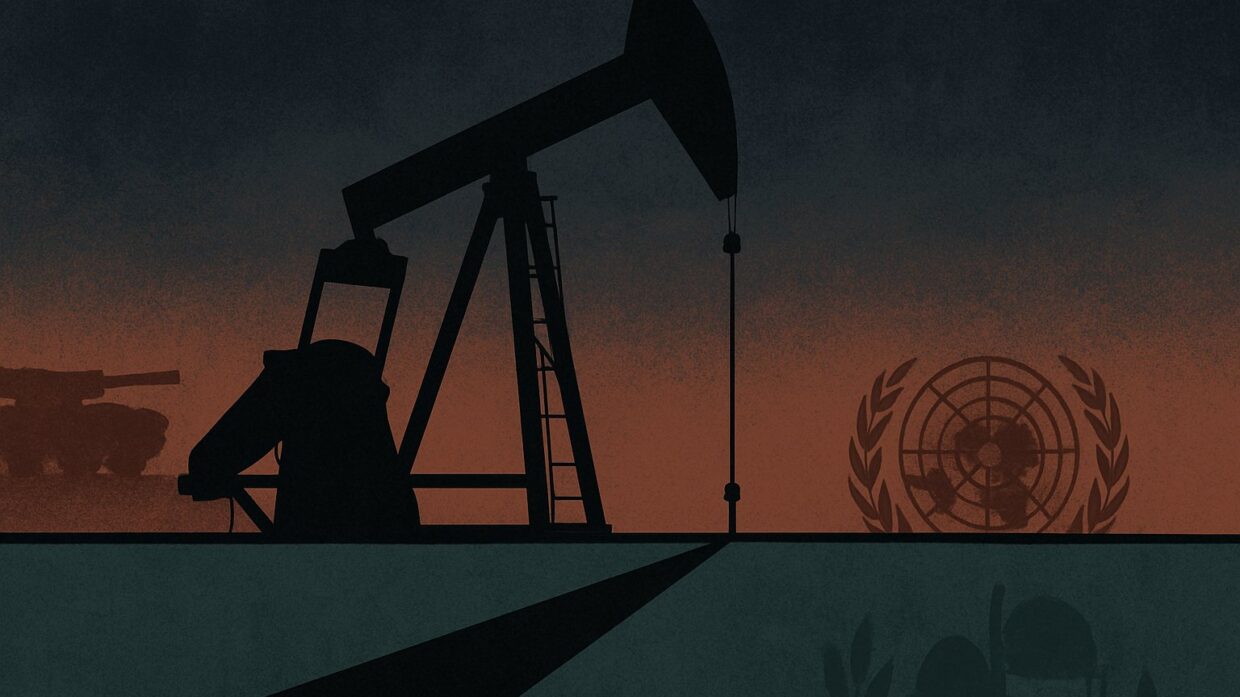
Trump Calls Ukraine's Russian Oil Strikes a 'Disgrace' Over Midterm Gas Price Fears
Why Ukraine Had to Resume Attacks on Russian Energy Despite Trump's Disapproval
We haven't found a neutral take on this story yet.
Breaking stories sometimes publish before every side has covered them. We'd rather show you that than invent a view.
The Analysis
Trump has stated that Ukraine's resumption of strikes on Russian oil refineries is a 'disgrace,' framing the military decision as a threat to American gas prices and Republican midterm prospects. Zelensky proceeded anyway. This conflict is being presented as either Trump protecting American voters or Zelensky defying an unreasonable demand, but what neither side is openly stating is the specific military rationale Ukraine claims for the strikes or what Trump's actual conditions for continued support truly are.
The left framing, as presented by NBC News, emphasizes Trump's domestic political motivation: he is conditioning foreign policy on gas prices to protect Republican electoral prospects. The language 'campaign to pressure the U.S. ally' frames Trump's opposition as coercive and electorally self-interested. This framing leaves out the military case for the strikes themselves,what specifically Ukraine hoped to accomplish by resuming energy attacks and whether those objectives had changed since the previous pause. It also does not address whether Trump's concern about gas prices reflects a genuine economic analysis or political posturing.
The right framing, presented by Washington Examiner, argues Zelensky acted rationally despite the risk. It names 'two good reasons': Putin's 'complete disdain' for Ukrainian civilians and the strategic value of degrading Russia's energy network. This framing positions Zelensky as making a difficult but justified choice, implying Trump's pressure is not just political but potentially harmful to Ukraine's defense. What this framing does not establish is whether those reasons are new,why Ukraine resumed strikes now specifically, or what changed since any previous decision to pause them. It also does not address how likely Trump is to actually withdraw support or what conditions might restore it.
John Bolton's warning, as reported by The Hill, introduces a third element: Trump's 'difficult political position' at home creates a vulnerability Zelensky should not exploit through 'lecturing.' Bolton suggests the risk to Ukraine is real and that the president's mood matters more than the merits of the policy. This framing acknowledges the political dimension but frames it as a reality Zelensky must navigate, not as evidence of improper pressure by Trump.
What neither side fully addresses is the actual U.S. intelligence assessment of whether these strikes degrade Russian military capability in ways that matter to Ukrainian defense, or whether they primarily serve symbolic or morale purposes. Neither side names the specific mechanisms by which Trump might withdraw support,whether through legislation, executive action, or simply declining to request new aid packages. Neither side discloses whether Trump has privately communicated specific conditions to Zelensky or what those conditions are. The absence of named internal communications or specific military assessments means both framings rest partly on inference about motives and consequences rather than disclosed facts.
The underlying question is whether Trump's opposition reflects a genuine policy disagreement about the costs and benefits of the strikes, or primarily reflects electoral concerns. The record shows Trump stated gas prices are a factor. What remains unclear is whether he has demanded Ukraine stop the strikes as a condition of continued support, or whether he has simply criticized them publicly while support continues. That distinction determines whether this is a pressure campaign or political posturing.
If Trump has privately demanded Ukraine halt oil strikes as a condition for continued U.S. military aid, this represents a fundamental shift in how America conditions support to allies: substituting American electoral interests for military strategy determined by the country being invaded. Such a precedent would establish that Washington's commitment to any ally depends not on shared strategic objectives but on domestic political calculations, immediately weakening American credibility with NATO members, Taiwan, and others facing adversaries. Conversely, if Trump has only criticized the strikes publicly while aid flows unchanged, Ukrainian decision-making becomes independent of American pressure, but the ambiguity itself degrades the alliance by replacing clear commitments with guesswork about what conditions actually exist.