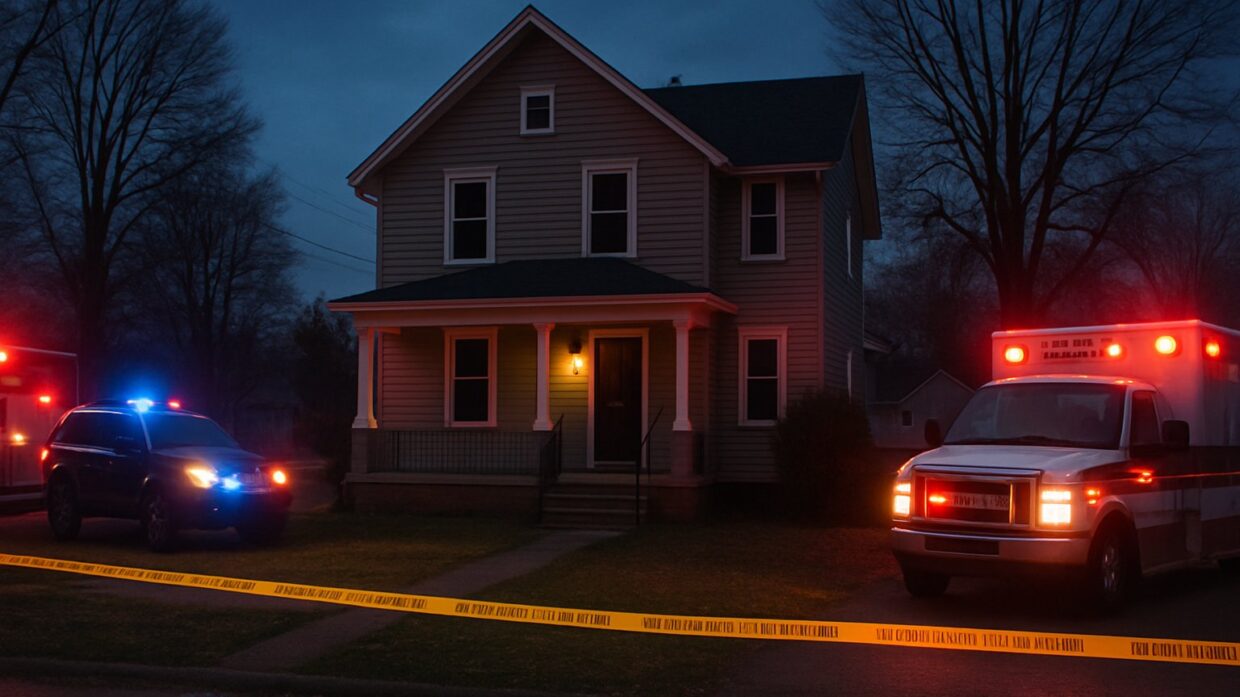
Photo: Well This Is News
Nine dead in Erie mass shooting as Pennsylvania confronts gun violence
Nine dead, including two children, in Erie mass shooting; gunman died by self-inflicted wound
Nine people dead in Erie, Pennsylvania mass shooting; gunman among deceased
Key Takeaways
- Neither major news perspective has reported the gunman's relationship to the victims or the stated motive, leaving unclear whether this was a murder-suicide, domestic violence escalation, targeted killing, or other category of event.
- Classifying the Erie shooting as a mass shooting tells us how many died and where, but does not explain whether common gun policy debates (background checks, red flags, magazine limits) would have prevented these specific deaths.
- Pennsylvania Governor Josh Shapiro officially labeled the incident a mass shooting, yet the reporting gap on motive and relationships allows both political sides to apply the tragedy to their preferred policy frameworks without factual constraints.
The Analysis
Nine people, including at least two children and the suspected gunman, died in a shooting at a residential address in Erie, Pennsylvania on Friday evening around 5 p.m. The gunman died of an apparent self-inflicted gunshot wound, and city officials confirmed Saturday that all nine deaths occurred before police arrived. This basic factual framework is where the coverage uniformity ends.
The left-leaning outlets, particularly NBC News, frame this within the broader narrative of American gun violence as a systemic public health crisis. The language emphasizes the shooting as part of a recurring pattern: the framing uses "mass shooting" prominently and positions the incident as one event in a documented sequence. The coverage does not isolate the Erie shooting as unique; instead, it contextualizes it within national gun violence statistics and policy debates. What this framing leaves largely unexamined is the specific circumstances of this shooting: the relationship between the shooter and victims, the motive, the shooter's prior contact with law enforcement, and whether this was a targeted killing at a single location or a random act. These details matter for policy analysis but complicate the systemic narrative.
The right-leaning outlets, particularly The Daily Wire and Washington Examiner, lead with the victim count and emphasize the specific demographic detail that the gunman is among the dead. The framing uses "suspected gunman" and highlights the self-inflicted death mechanism. By naming that two children died and that the shooter took his own life, the coverage establishes that law enforcement did not intervene in an active shooter scenario. The underlying message, though not explicitly stated, distinguishes this from mass shootings stopped by police response. What this framing does not foreground is whether the deaths of the children and other victims were connected to the shooter's motive or whether they were incidental to a domestic or personal conflict. The focus on self-infliction subtly shifts the narrative away from questions about weapon access, prior warnings, or domestic violence history.
What neither framing adequately addresses is the specific context that would explain why these nine people died. The available reporting establishes the who, when, and where, but does not confirm whether this was a murder-suicide involving family members, a targeted killing, a domestic violence escalation, or something else. Pennsylvania Governor Josh Shapiro called it "a mass shooting," adopting the formal classification, but the public record does not establish the gunman's relationship to the victims or the precipitating circumstances. That omission is notable in both left and right coverage because it allows each side to apply its preferred narrative framework. The left can discuss it as evidence of gun access and lethality. The right can discuss it as an individual tragedy without immediate policy implications. The actual mechanism of the killing, the shooter's stated or apparent motive, and the prior warning signs remain largely undisclosed in the available reporting.
The real question the coverage does not yet address is whether this shooting reflects a gap in domestic violence intervention, mental health crisis response, or weapon access policy, or whether it represents a distinct category of event that would not be prevented by any of the commonly debated policy interventions. Until those specifics are reported, each side's framing serves a purpose beyond accuracy and toward interpretive convenience.
Erie's nine deaths will reshape how Pennsylvania addresses domestic violence reporting and firearm removal in crisis situations, but only if investigators release details about the shooter's prior police contact and family relationships. The competing narratives emerging from left and right outlets obscure a critical institutional gap: Pennsylvania has no red flag law allowing courts to temporarily remove weapons during mental health crises, and Erie police records may contain warning signs that went unactionable under current law. Whether this shooting involved an estranged family member, a domestic abuser, or a person with documented mental illness will determine which legislative interventions actually matter. Without those specifics becoming public, policymakers will continue debating gun access and mental health screening in the abstract while the actual circumstances remain convenient ammunition for whichever side's preferred solution already existed.