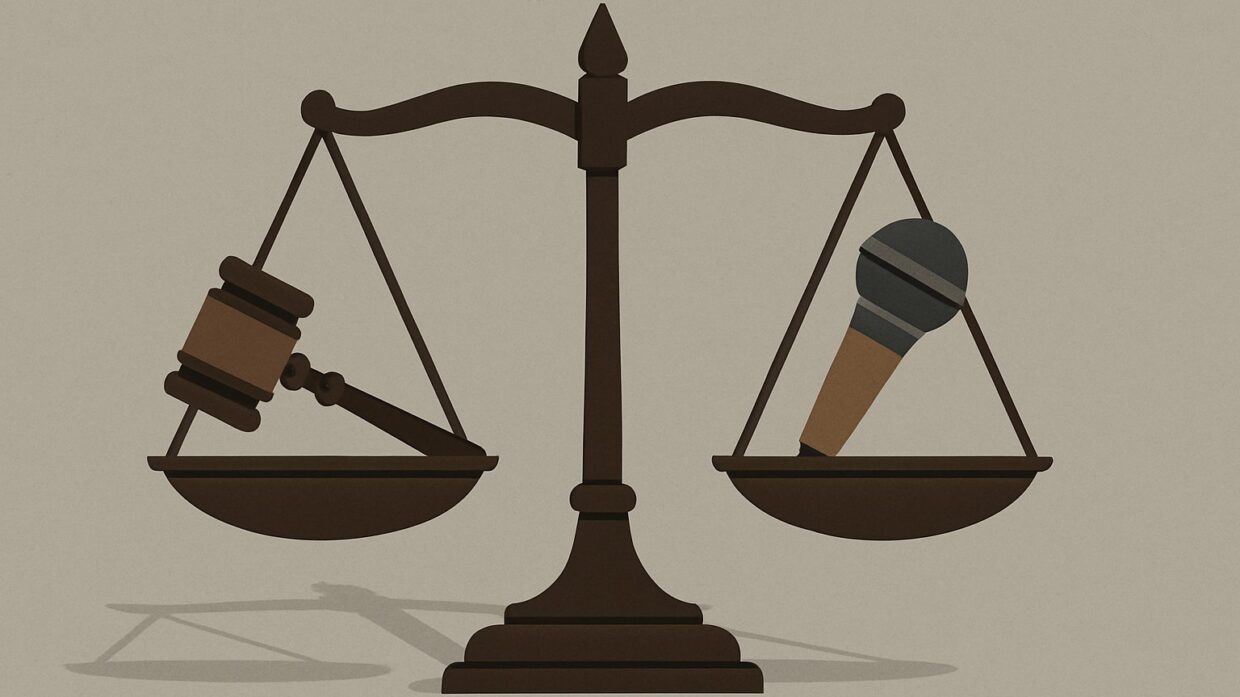
Photo: Well This Is News
Accused fraternity member seeks removal of AG James, citing social media comments
Letitia James faces dual pressure as Cornell prosecutor and target of rival's campaign blitz
Cornell assault defendant challenges AG James as special prosecutor over bias concerns
Key Takeaways
- The reporting does not disclose which specific social media comments or statements by James the defendant cited, making it impossible to independently evaluate whether those comments demonstrate actual bias or merely prior public concern about the case.
- New York law establishes different disqualification standards depending on whether a proceeding is civil or criminal and whether a prosecutor has expressed general concern versus a predetermined conclusion about specific defendants, but reporting does not clarify which standard applies here.
- The appointment of James as special prosecutor appears to be a discretionary decision, likely by the governor, but neither side's coverage explains who made the appointment, why, or whether state law permits defendants to challenge such appointments at all.
The Analysis
A defendant in the Cornell sexual assault case has challenged the appointment of Attorney General Letitia James as special prosecutor, claiming her social media comments demonstrate pre-existing bias that disqualifies her from the role. The legal motion introduces a specific procedural question: what standard applies to disqualify a high-ranking official from investigating a case based on public statements made before formal assignment.
The facts as reported: Gillio Lopes, named in a civil lawsuit filed by Jane Doe alleging gang sexual assault by seven fraternity members in 2024, filed a motion to block James's appointment. The Hill reports Lopes points to James's social media comments as evidence of bias. The legal standard for recusal or disqualification requires showing not merely that a prosecutor has expressed opinions, but that those expressions demonstrate an inability to be impartial. New York law and ethics rules establish different thresholds depending on whether the proceeding is civil or criminal and whether the prosecutor has actual knowledge or expressed a predetermined conclusion about specific defendants. The reporting does not specify which comments Lopes cited or provide the exact language James used, making it difficult to evaluate the strength of the bias claim independently.
The left framing emphasizes the defendant's apparent tactical motivation. By highlighting that Lopes is one of the accused and suggesting his challenge is a delay tactic, the MSNBC coverage frames this as a defendant protecting himself rather than raising a legitimate legal concern. This framing leaves out the procedural question entirely: whether James's public statements, whatever their content, create a genuine appearance of impartiality problem that a judge should address on the merits. The left coverage does not foreground what James actually said or when she said it.
The right framing uses this moment to connect James's prosecutorial role to her political vulnerability. Fox News reports that political rival Saritha Komatireddy has released a 52-count campaign indictment against James, citing neglect of hate crimes and fraud cases. The right-leaning framing suggests James faces simultaneous legal and political pressure, implying her credibility is damaged. This framing emphasizes James's selective enforcement or neglect without establishing whether Komatireddy's claims are supported by comparative caseload data or prosecutorial outcomes. The reporting does not establish whether the hate crime or fraud allegations are documented facts or campaign rhetoric.
What neither side foregrounds is the core institutional question: when a sitting attorney general with political ambitions is appointed special prosecutor to a high-profile case involving sexual assault, what safeguards exist to manage the conflict between prosecutorial impartiality and political interest? The appointment itself appears to be discretionary, likely made by the governor. Neither coverage explains who appointed James, on what grounds, or whether state law permits the defendant to challenge such appointments. The right coverage treats this as ammunition in James's political race. The left treats it as a delaying tactic by the accused. Neither examines whether the appointment structure itself created the conditions for this challenge.
The underlying question is whether James's prior statements create a genuine appearance of bias sufficient to warrant her recusal, or whether her appointment simply exposes a systemic vulnerability: that high-profile prosecutors operating in politically charged cases may lack the insulation from electoral pressure necessary to demonstrate impartiality. The available reporting does not establish what James said, when, or how a judge evaluated the specific legal standard for disqualification.
The institutional vulnerability exposed here extends beyond one case. If a sitting attorney general can be appointed special prosecutor in a high-profile sexual assault investigation without clear recusal standards or public disclosure of the appointing authority's rationale, then future high-profile cases involving elected prosecutors face identical challenges to credibility regardless of the merits. New York's prosecutorial appointment process lacks transparent safeguards distinguishing between legitimate public statements by elected officials and expressions that genuinely prejudge specific defendants or cases. Without a clear procedural framework defining when elected prosecutors must step aside from cases they didn't initiate, every subsequent appointment to politically sensitive matters becomes vulnerable to similar disqualification motions, creating either a chilling effect on prosecution or persistent questions about impartiality.