Photo: Well This Is News
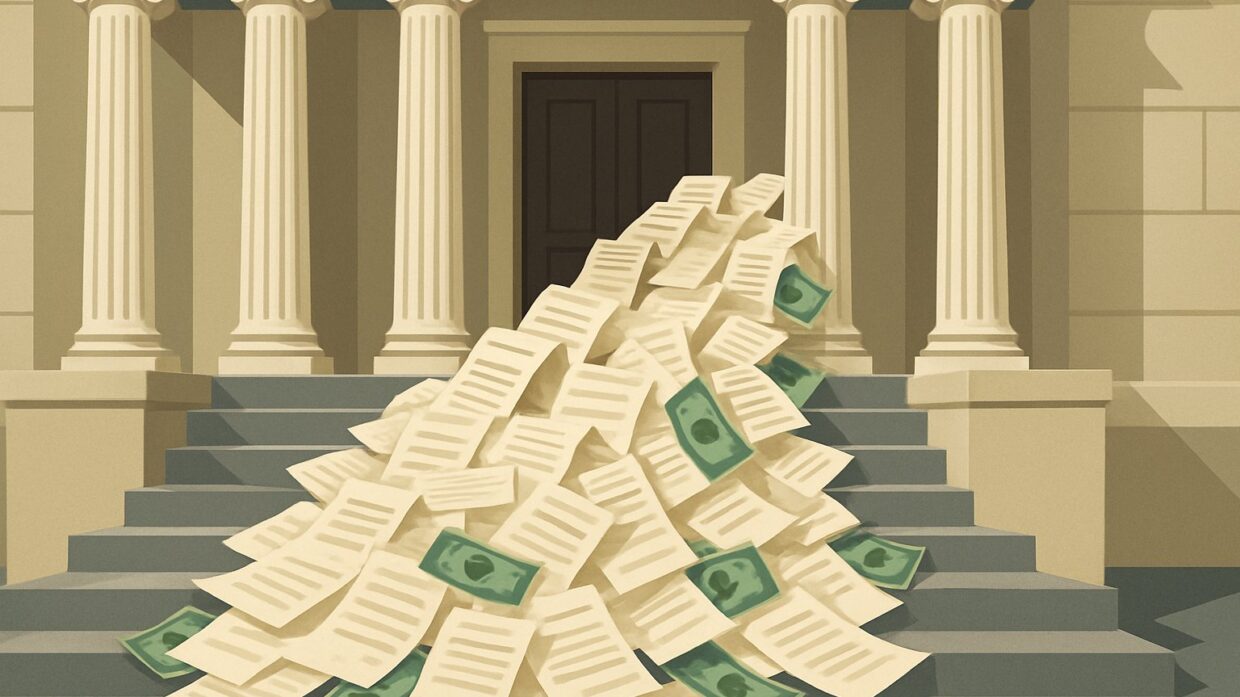
Ken Paxton's $1.9M Travel Bill Shows Lavish Use of Taxpayer Money
Trump Backs Paxton in Competitive Texas Senate Race Against Talarico
Paxton's Travel Spending Becomes Campaign Issue as Texas Senate Race Tightens
Key Takeaways
- No one has established whether the $1.9 million in travel was official Attorney General business, campaign activity, or a mixture of both, making the spending's actual impropriety impossible to assess.
- The travel spending controversy has created a rift within Republican circles around Paxton even as Trump backed his candidacy, suggesting the party is internally divided on him.
- Neither Paxton's travel expenses nor his campaign reimbursements to the state have been disclosed, leaving open whether he or taxpayers ultimately paid for his Senate race.
The Analysis
Ken Paxton's $1.9 million travel expense bill and his competitive Senate race against Democrat James Talarico are being reported through sharply different frames, each emphasizing aspects that serve a particular political interest while omitting context the other side considers crucial.
The documented facts are these: Paxton, Texas Attorney General since 2015, launched a Senate campaign and accumulated at least $1.9 million in state-funded travel costs, according to HuffPost's review of records. A Fox News poll conducted during the campaign shows Talarico ahead by 2 points. Trump campaigned for Paxton in Texas, urging voters to support him. Those are the verifiable anchors.
The left's framing, represented by HuffPost, names the dollar amount and uses the phrase "skipped the local pageantry" to suggest Paxton was focused on higher-profile activities funded by taxpayers rather than attending to constituent events. The reporting emphasizes the word "at least," implying the total may be higher. This framing treats the travel spending as evidence of misaligned priorities, with the implicit argument that campaign activities should not be state-funded. The coverage does not address whether any of that travel was within his official duties as Attorney General or whether prior attorneys general spent similarly. The question of what portion of the travel was for statutory office duties versus campaign activity remains unanswered in the reporting.
The right's framing, represented by the Washington Examiner, does not directly address the travel spending in the summary. Instead, it emphasizes Trump's endorsement and his language: "We need Ken so badly." The Examiner describes the race as "a toss-up for either political party." This framing concentrates attention on the endorsement and electability question, away from the spending controversy. By not engaging the travel cost claim, the right-leaning source does not defend the spending or provide an explanation. The omission shifts the conversation entirely.
Neither framing discloses what Paxton's travel spending was as a percentage of the Attorney General's total office budget, making it impossible for readers to calibrate whether $1.9 million over a defined period represents unusual expenditure or routine operational cost. Neither framing establishes whether the travel included official duties unrelated to campaigning. Neither examines whether the Senate campaign itself reimbursed the state for campaign-specific expenses. Neither contextualizes Paxton's spending against predecessors' spending patterns, which would indicate whether this reflects individual choices or office practice.
The deeper question both sides avoid: whether the role of Texas Attorney General inherently involves travel spending that campaigns can then claim belongs to public business. That institutional ambiguity allows both frames to claim accuracy while leaving readers without the information required to assess the spending claim's actual significance.
The polling data from Fox News, showing the race within margin of error, is the only claim neither side disputes, which suggests it may be the most reliable fact available.
Paxton's travel spending will determine whether Texas establishes enforceable boundaries between official duties and campaign activities for statewide offices. If voters accept the spending as routine state business despite the campaign context, future attorneys general will operate under looser spending constraints during their own campaigns. If the spending becomes disqualifying, it sets precedent that candidates cannot use official travel budgets to subsidize political activity. The institutional outcome hinges on whether voters receive sufficient information to distinguish campaign travel from statutory obligations, a distinction neither major news outlet has provided. The Texas Attorney General's office budget and spending authority for future holders depends on how this race resolves the ambiguity.