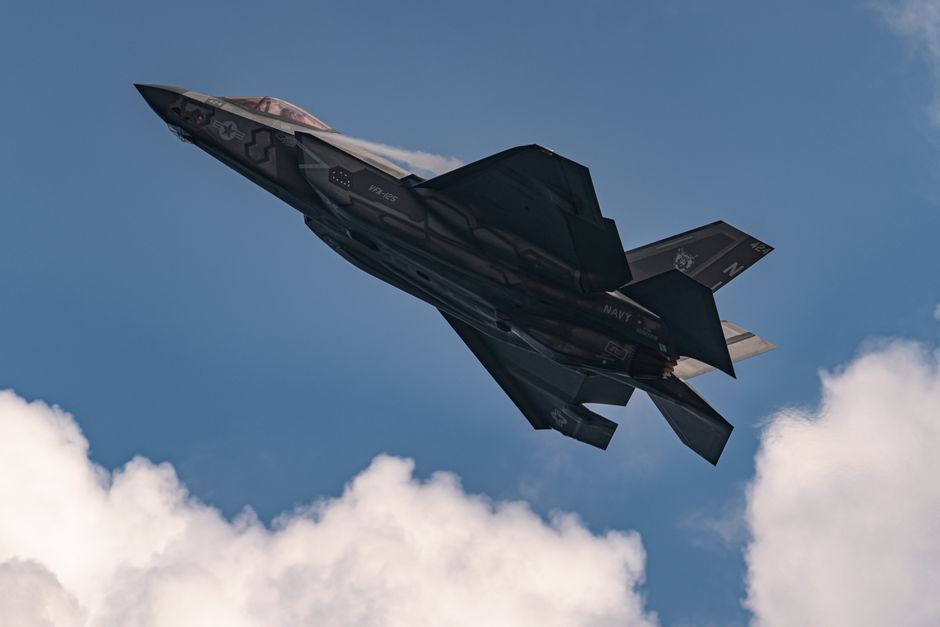
Photo: Michael Wambangco
Boeing secures massive defense contract after years of competition delays
Boeing lands $20B Navy deal for sixth-generation fighter to deliver absolute air superiority
Boeing wins $20B Navy fighter contract over Northrop in sixth-generation competition
Key Takeaways
- The Pentagon did not publicly explain whether Boeing won because of superior design, lower cost, faster schedule, or other factors, making the competitive decision rationale invisible to the public.
- The F/A-18 Super Hornet has served as the Navy's primary carrier fighter for over 40 years, but reporting on its replacement does not explain what specific operational gaps or capability shortfalls the F/A-XX is designed to address.
- Boeing's recent commercial manufacturing and safety problems were not addressed in coverage of the defense contract award, leaving unclear whether the Pentagon factored past performance into its procurement decision.
The Analysis
Boeing won a $20 billion-plus Pentagon contract to build the Navy's next fighter aircraft, officially called the F/A-XX, beating Northrop Grumman in a competition conducted largely in secret. The available reporting does not disclose the specific technical or cost factors that determined the winner, and the Pentagon's announcement has framed the decision in starkly different ways depending on which elements each outlet chose to emphasize.
The Pentagon announced the F/A-XX contract award on a Tuesday in late September 2026. The aircraft is classified and designed to replace two current platforms: the F/A-18 Super Hornet, the Navy's primary carrier-based fighter in service since 1984, and the EA-18G Growler, its electronic warfare variant. The $20 billion figure represents the initial phase of the contract, though the full program value over its lifetime is not disclosed in the reporting. Boeing and Northrop Grumman were the two competing bidders. No other contractors were in contention.
Fox News emphasizes the technological superiority language embedded in Boeing's marketing messaging, using the phrase "absolute air superiority" directly from Boeing's framing. The outlet connects the aircraft to strategic positioning against unnamed adversaries and stresses the generational leap the F/A-XX represents. This framing treats the contract award as a statement about American military capability rather than a competitive procurement outcome. The language prioritizes strategic advantage narratives.
Axios and Bloomberg foreground the competition itself and its procedural timeline. Both outlets note that the competition followed years of clandestine work, and both mention what Bloomberg describes as "multiple contracting false alarms." Axios explicitly states the competition had been conducted in years of secrecy. Neither outlet explains what those false alarms were, when they occurred, or why the timeline extended. This framing treats the announcement as the resolution of a procurement process rather than as a measure of technological superiority. The emphasis shifts from capability to project management.
What neither framing fully addresses is the competitive dynamic and the reasons Boeing prevailed over Northrop. The Pentagon announcement did not publicly disclose whether Boeing's design was technically superior, whether it offered better cost efficiency, whether schedule confidence favored one bidder over the other, or whether industrial base considerations influenced the decision. Northrop Grumman, the losing bidder, has not released public statements contesting the decision or explaining its competitive proposal. The technical specifications of both aircraft remain classified. A reader relying on these reports cannot assess whether Boeing won because it built a better aircraft or because it offered better price, schedule, or risk profile.
The contract award also does not address the broader context: Boeing's commercial quality and safety challenges in recent years, or whether those factors entered the Pentagon's evaluation. The reporting treats the defense contract award as independent of Boeing's separate manufacturing issues. Whether the Pentagon weighted past performance or current operational risk into the F/A-XX decision is not disclosed in any of these sources.
What the Navy is replacing also matters. The F/A-18 Super Hornet entered service in 1984 and remains the Navy's primary fighter more than 40 years later. The decision to develop a sixth-generation replacement implies the existing platform has reached or is approaching the limits of its upgrade path. None of the reporting establishes what operational gaps the current fleet exhibits or what specific capabilities the F/A-XX is designed to close. The announcement describes a future aircraft. The context for why a new one was necessary is omitted.
Boeing's $20 billion F/A-XX contract reshapes the Navy's fighter force planning for the next forty years and locks the service into a single-vendor dependency for its primary carrier-based platform. The decision forecloses Northrop Grumman's alternative design approach entirely, consolidating advanced fighter development within one contractor at precisely the moment when the Pentagon has emphasized the need for industrial base resilience and competition. The contract's classified nature means Congress and defense analysts cannot evaluate whether Boeing's proposal offered superior capability, cost efficiency, or risk management compared to its competitor, leaving the Navy's $20 billion investment decision insulated from public scrutiny. This precedent establishes sixth-generation aircraft procurement as categorically immune from transparency requirements that apply to other major weapons programs, setting the standard for future black programs where cost and performance remain hidden from legislative oversight.