Photo: Well This Is News
Trump administration strips away Biden climate protections, gutting emissions limits on coal and gas plants
Trump EPA repeals costly Biden emissions rule, projects $670 billion in savings for power plants
EPA repeals 2024 power plant emissions rule, eliminating carbon controls for coal and gas facilities
Key Takeaways
- The 2024 Biden rule represented an aggressive expansion of EPA authority that went beyond previous emission limits to mandate specific compliance technologies, which courts had repeatedly rejected in earlier versions under the Obama administration.
- Neither side addresses whether the rule's prescribed technology requirements were actually the most cost-effective way to reduce emissions, or whether market-based mechanisms and state-level policies might achieve faster emission reductions with less friction.
- The repeal restores the pre-2024 regulatory baseline that imposes no federal emissions controls on coal and gas plants, leaving the underlying question of whether prescriptive technology mandates or alternative policy structures work better for climate outcomes entirely unresolved in public debate.
The Analysis
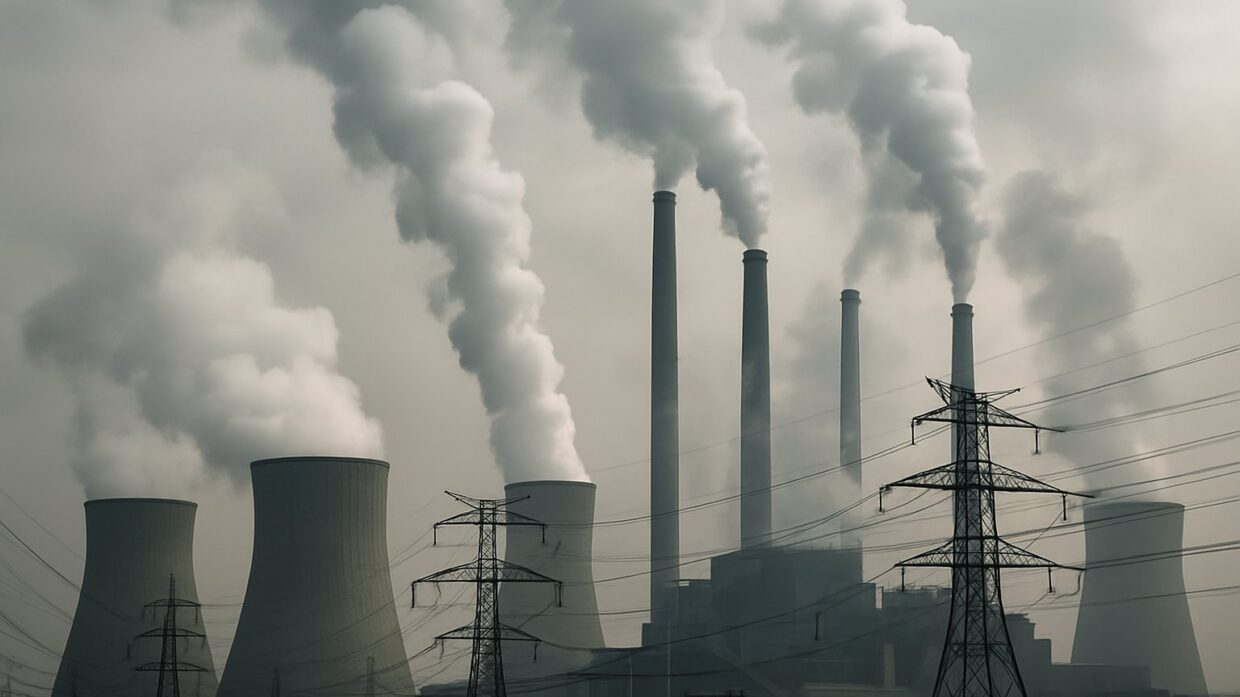
The Trump administration's EPA has formally repealed the 2024 power plant emissions rule, eliminating requirements that coal and gas-fired facilities reduce greenhouse gas pollution through technologies such as carbon capture and storage. The rule, finalized under the Biden administration, had set performance standards forcing power plants to comply with emission limits or face enforcement. The EPA under Trump has now reversed that regulatory framework entirely, restoring the previous baseline that imposed no such controls.
The left frame emphasizes that this repeal removes a foundational climate tool at a moment of documented climate urgency. MSNBC describes it as overturning Biden's "signature environmental rule." The Guardian characterizes it as gutting the Clean Air Act itself and calls the move "a gift to planet polluters." Inside Climate News foregrounds that the repeal follows the hottest summer on record and a UN warning of dangerous climate escalation. This framing anchors the story in climate science urgency and portrays the repeal as reckless timing. What this framing does not emphasize is the economic cost burden the original rule imposed or why power plants opposed compliance, or how the repeal affects electricity prices for consumers.
The right frame emphasizes cost savings and regulatory burden reduction. Fox News leads with "projecting up to $670 billion in savings for power plants," anchoring the story in quantified economic benefit. The framing centers regulatory efficiency: the rule imposed requirements on an industry without proportionate climate benefit, so repealing it reduces unnecessary compliance costs. This framing does not engage with the climate science baseline the left emphasizes, or with what emission levels return to absent the rule, or with the documented global temperature trajectory referenced in the climate reporting.
What neither side's framing fully captures is the regulatory history that explains this conflict. The original 2024 rule represented an aggressive expansion of EPA authority under the Clean Air Act to impose not just emission limits but specific compliance pathways, including unproven technology mandates like carbon capture and storage. The Obama administration had previously attempted similar rules, which courts repeatedly rejected as exceeding EPA statutory authority. The Biden rule was crafted to withstand legal challenge but had not been tested in court at the time of repeal. The Trump repeal eliminates not just the rule but restores the EPA's pre-2024 regulatory posture, which allowed less prescriptive oversight.
The underlying question is whether federal climate policy should operate through prescriptive technology mandates on specific industries, or whether market-based mechanisms, state-level policy, and voluntary industry innovation represent more durable approaches. That debate does not appear in either framing. The climate left treats the rule as foundational; the right treats it as expensive overreach. Neither engages with whether the rule's specific requirements were the most effective way to reduce emissions or whether alternative regulatory structures might have achieved similar climate outcomes with lower compliance friction. The evidence about which approach actually moves emissions fastest remains undisclosed in the available reporting.
Power plant emissions rules have repeatedly failed court scrutiny under prior administrations because they exceeded EPA statutory authority, yet the Biden administration crafted the 2024 rule to navigate those legal vulnerabilities without testing it. The Trump repeal does not simply roll back environmental ambition; it restores the pre-2024 EPA posture and validates the constitutional concern about prescriptive technology mandates that courts have consistently identified as problematic. This establishes a durable institutional precedent: aggressive climate regulations written as specific compliance pathways, rather than outcome-based standards, will face sustained legal and political reversal regardless of administrative turnover. States and private markets now become the default arena for emissions policy, fundamentally shifting where climate action must originate. The federal government's role contracts to setting baseline limits rather than engineering solutions, which either accelerates state-level climate leadership or disperses emissions control into a fragmented patchwork depending on regional political alignment.