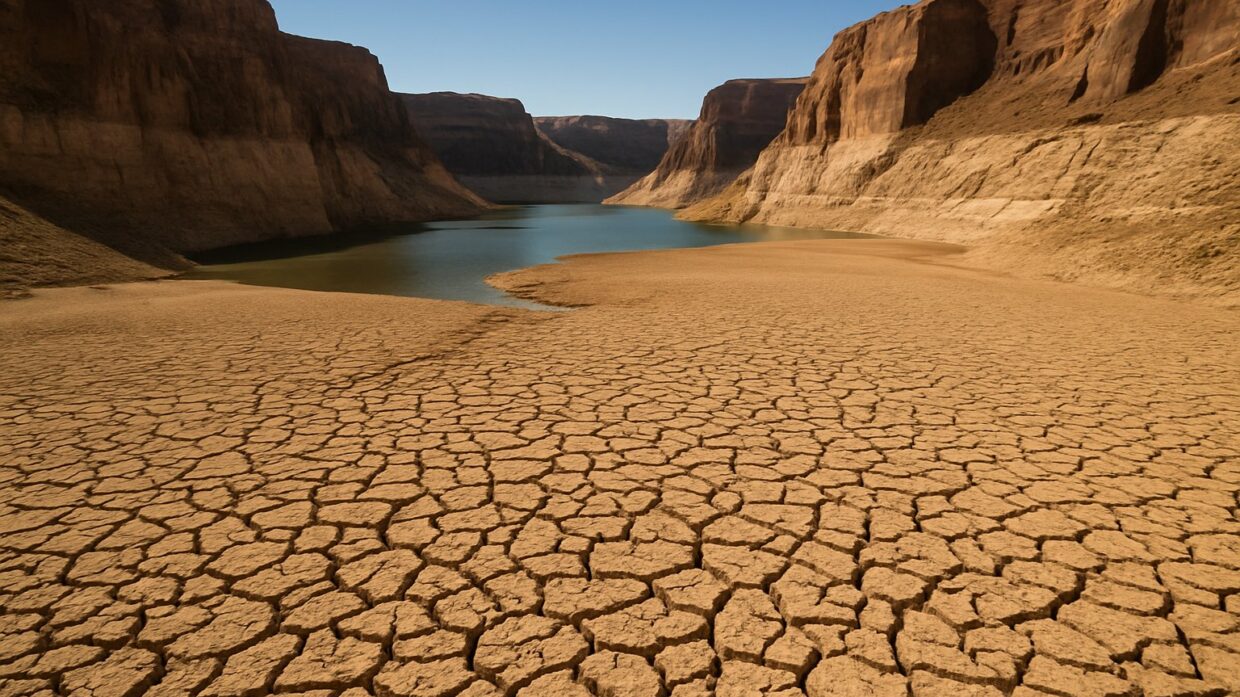
Photo: Well This Is News
Climate change is driving devastating heat waves across America, scientists confirm
White House abandons alarmist climate scenarios for evidence-based policy
Heat waves, water loss linked to climate change; White House revises worst-case projections
Key Takeaways
- Attribution science uses probability to show climate change made specific events more likely, but both sides are obscuring that this method never proves emissions were the sole cause or operates within uncertainty bands rather than certainty.
- The White House assessment revision removed scenarios labeled worst-case, but no reporting has disclosed which specific projections were actually proven wrong or whether the change reflects new science versus policy preference.
- Attributing specific water loss to specific companies assumes regional conditions unchanged since 2014, a methodological assumption the reporting does not examine or defend.
The Analysis
Three distinct conversations about climate causation are happening simultaneously, and none of them fully overlap. NPR's climate editor is teaching newsrooms how to attribute specific weather events to climate change using attribution science. The Daily Wire reports the White House is revising the U.S. Global Change Research Program's National Climate Assessment away from worst-case projections. Inside Climate News publishes a study linking specific fossil fuel companies to quantifiable water loss in the American West. Each story is built on defensible facts. None of them is false. But the framing each one chooses reveals what each side wants readers to believe about the relationship between climate science, predictive accuracy, and corporate responsibility.
What actually happened: The NPR piece describes attribution science, a legitimate methodology for determining whether specific weather events would have occurred without human-caused climate change. The attribution conclusion is stated as a probability, not certainty, matching how the science is actually expressed in peer review. The White House assessment revision appears to involve removing scenarios labeled as worst-case or low-probability, though the Daily Wire reporting does not disclose which specific projections were removed or why the administration concluded they were outdated. The Inside Climate News study quantifies the share of Western water loss attributable to climate change using a specific time window (2014-2024) and names the methodology: attribution science.
The left's framing emphasizes causal certainty and human responsibility. NPR's language around "most likely" and the attribution methodology itself appears designed to move from "climate change may have played a role" to "climate change was the dominant cause." The frame does not address why attribution science offers probabilities rather than verdicts, or what margin of uncertainty remains. The Inside Climate News study names "the biggest carbon polluters" in the headline and attributes half the water loss to their emissions, a framing that personalizes causation and assigns moral culpability to named entities.
The right's framing emphasizes predictive failure and course correction. The Daily Wire describes the assessment revision as abandoning "outdated climate nightmares," language that characterizes previous projections as worst-case fear-mongering rather than legitimate uncertainty in climate modeling. The reporting presents the revision as the White House moving toward empiricism, though it does not explain whether the removed scenarios were actually inaccurate or whether removing them reflects changed science versus changed policy preference.
What neither side fully addresses: Attribution science is real and increasingly reliable, but it operates within probability bands, not certainty. A heat wave may be 50 percent more likely because of climate change without being impossible otherwise. The National Climate Assessment revision is a legitimate policy decision, but the available reporting does not establish whether specific projections have proven false or whether the revision reflects new scientific understanding. The Inside Climate News attribution study is methodologically sound, but attributing specific water loss to specific companies assumes no other factors changed in those regions between 2014 and 2024, a claim the reporting does not detail. The underlying question is whether climate causation requires absolute certainty or operates within probabilistic bounds, and whether accountability for emissions requires proving they were the sole cause or the dominant one. That distinction is not being made explicit in any of these framings.
Attribution science measures probability, not certainty, yet both climate advocates and skeptics present their preferred projections as definitive. The White House removing worst-case scenarios from the National Climate Assessment signals the federal government will now base infrastructure and water management decisions on mid-range climate models rather than high-impact scenarios. That institutional shift directly affects how much drought resilience gets built into Western water systems over the next decade. If removed projections prove accurate and infrastructure proves undersized, the revision becomes a costly policy failure; if they remain implausible, the revision reflects matured science. The Inside Climate News attribution of specific water loss to named companies creates legal and regulatory precedent for holding fossil fuel producers liable for quantifiable resource depletion, a liability framework that barely existed five years ago. These framings matter because they determine which climate scenarios get funded, which corporate actors face legal exposure, and whether American infrastructure planning assumes climate change as a dominant variable or a secondary one.