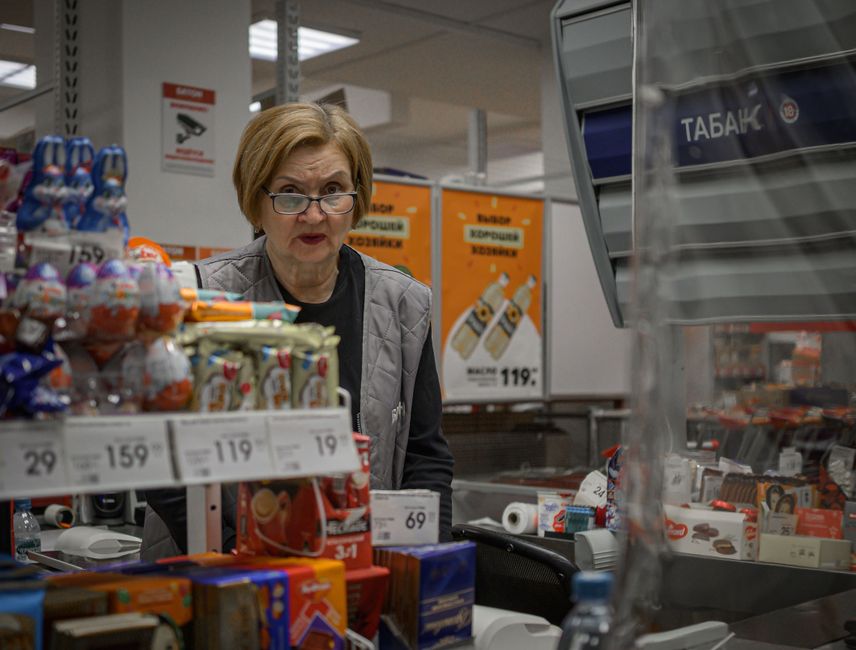
Photo: Radik 2707
Inflation eases in July as gasoline and grocery prices fall
Inflation fell further in July as prescription drugs, gasoline, and grocery prices decline
Consumer prices rose 0.1% in July, annual inflation rate falls to 3.4%
Key Takeaways
- The 3.4% annual inflation rate still exceeds the Federal Reserve's 2% target by a substantial margin, meaning price stability has not been achieved despite recent improvements.
- Cumulative inflation since 2021 has left prices permanently 10-12% higher than their pre-pandemic trajectory would suggest, and Americans are adjusting to a new baseline rather than returning to old price levels.
- Neither the cooling trend nor the recent rate of inflation tells a complete story about what persistent price elevation means for household purchasing power or how long families have been absorbing these higher costs.
The Analysis
The July inflation report released Wednesday shows the consumer price index rose 0.1% month-over-month with an annual rate of 3.4%, down from 3.7% in May. This single data point has triggered three distinct framings, each emphasizing different aspects of the same numbers while omitting context that complicates the narrative each outlet prefers.
The verified facts are straightforward. The Bureau of Labor Statistics reported a month-over-month increase of 0.1%, matching economist expectations. The annual rate of 3.4% represents a decline from earlier summer months. Gasoline prices fell during the month. Grocery prices declined. Prescription drug prices also decreased. The Federal Reserve's benchmark inflation measure, the PCE deflator, showed similar cooling. These are the numbers. Everything that follows is framing.
The left framing, represented by NPR, emphasizes the year-over-year decline and frontloads the phrase "inflation eases." NPR explicitly notes that the cooling reduces the likelihood of a Fed rate increase in September. This framing answers a specific political question: will the Fed raise rates? It downplays the month-over-month figure (0.1%) and focuses instead on the year-over-year comparison, which benefits from a high base in July 2025. What this framing omits is that 3.4% annual inflation remains well above the Fed's 2% target. NPR does not discuss how long inflation has persisted above target or what that means for household purchasing power. The focus on "easing" and what it signals to the Fed suggests the relevant audience is investors and people concerned with monetary policy, not workers experiencing accumulated price pressures.
The right framing, represented by Breitbart, uses identical numbers but leads with "inflation fell further." The word "further" implies a sustained directional trend deserving of emphasis. Breitbart includes prescription drugs in its opening, a category NPR mentions but does not prioritize. This framing also answers the rate question but frames it from the opposite direction: the decline in inflation is presented as itself significant rather than merely as a signal to Fed decision-makers. What Breitbart does not discuss is the baseline from which inflation "fell." The annual rate of 3.4% still exceeds 2025 expectations, and the month-over-month figure of 0.1% is not inherently low by historical standards. The framing emphasizes positive direction without establishing whether the current level represents acceptable price stability.
The Hill's framing is distinct because it juxtaposes the inflation data with reporting on U.S.-Iran military conflict, implying a causal or contextual relationship. This connection does not appear in either NPR or Breitbart. The reported data do not establish whether the current Middle East tensions influenced July inflation. Oil prices do affect gasoline prices, but the reporting does not establish that the Iran conflict drove the July gasoline decline.
What neither framing fully addresses is the cumulative inflation over the past three years. A reader seeing only the 3.4% annual figure might assume prices have stabilized. The relevant omission is context: inflation has been elevated since 2021, and the July rate of 3.4% still represents prices 10-12% higher than their pre-pandemic trajectory would suggest. Neither NPR nor Breitbart discusses what the current price level means for purchasing power loss or how households have adjusted. The coverage does not foreground that Americans are not returning to 2021 price levels, they are adjusting to a permanently higher baseline.
The real headline is not whether inflation is easing or whether the Fed will raise rates. It is that inflation has cooled from its recent peak but remains substantially above the Fed's target, and neither side's framing establishes what that persistent gap means for ordinary people navigating grocery, gas, and drug prices at current levels.
Federal Reserve officials now face a credibility test that will determine monetary policy direction through 2025. The 3.4% annual rate, while declining from 3.7%, sits 1.4 percentage points above the Fed's 2% target and signals that current interest rates may need to remain restrictive longer than markets have priced in. If the Fed interprets this data as sufficient progress to begin rate cuts in September, it risks reigniting inflation expectations and forcing a return to tighter policy within months. If it holds rates steady, it extends the real income losses households have accumulated since 2021, when cumulative inflation already exceeded 10% relative to pre-pandemic baselines. Either choice reshapes household budgets and business investment plans for the remainder of the year. The practical consequence is measurable: mortgage rates, auto loan rates, and credit card costs will move in opposite directions based on which interpretation the Fed adopts at its next meeting, affecting