Photo: Well This Is News
Trump intervenes with FIFA to overturn U.S. star's suspension, raising questions about presidential influence on sports
Trump secures Balogun's playing status as leftists demand he reject president's 'unfair intervention'
Trump confirms FIFA contact over Balogun suspension; agency reverses red card before Belgium match
Key Takeaways
- FIFA has not publicly disclosed whether it reversed the suspension because of a procedural error, video evidence review, rule reinterpretation, or some other independent basis, leaving readers unable to assess whether the reversal followed normal protocol.
- Neither reporting side examined whether sitting heads of state routinely contact FIFA about player suspensions, what FIFA's documented procedures are for such requests, or whether this episode represents standard administrative practice or a departure from it.
- Trump's distinction between making contact with FIFA and influencing their decision appears in some coverage but remains underemphasized, despite being materially important to whether this constitutes inappropriate leverage or merely coincidental timing.
The Analysis
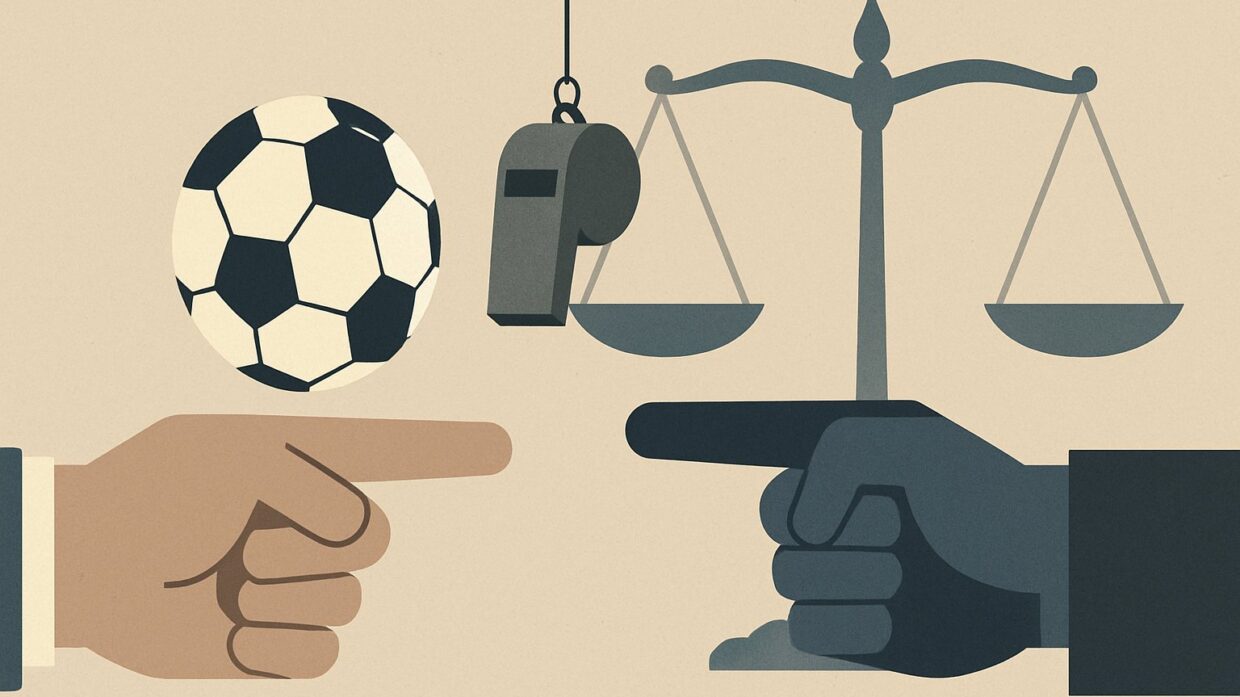
Trump confirmed he contacted FIFA leadership to request a review of Folarin Balogun's red card suspension before Monday night's World Cup match between the United States and Belgium. The suspension was reversed shortly after that contact. Trump stated in subsequent remarks that he made the call but denied influencing the substantive decision, according to Politico's reporting. This sequence raised immediate questions about the mechanics of presidential intervention in international sports governance and whether independent organizations can withstand pressure from sitting heads of state.
The left framing, emphasized by NBC News, emphasizes Trump's own confirmation that he "asked FIFA to review" the suspension, paired with the fact that the reversal followed immediately after. The language "confirmed that he asked" establishes the action as undisputed. The framing leaves implicit what readers should infer about causation: the contact happened, the reversal happened, and both timing and outcome benefit the U.S. team. What this framing does not address is what FIFA's stated reasoning was for the reversal or whether independent soccer officials cite any precedent for overturning red cards on disciplinary grounds separate from contact with national leaders.
The right framing, as presented by Breitbart, emphasizes that Trump "secures Balogun's playing status" and that "U.S. Men's National Team players and fans were rejoicing." The language shifts from Trump requesting a review to Trump achieving an outcome. Breitbart's headline pivots sharply to focus on "leftists" demanding that Balogun reject the president's intervention and refuse to play, framing opposition to Trump's contact as pressure on the athlete himself rather than critique of the presidential action. This framing establishes Trump's action as beneficial and reframes criticism as coercion of an athlete by political opponents.
What neither framing establishes with precision is FIFA's own public statement about why the red card was reversed. The available reporting does not specify whether FIFA cited a procedural error, a review of video evidence, a rulebook interpretation, or any other independent basis for overturning the suspension. Without that detail, readers cannot assess whether the reversal followed established protocol or represented an exception. Trump's denial that he "influenced" the decision appears in Politico but receives less emphasis in other coverage. The distinction between making contact and influencing outcome matters materially: it is possible that FIFA conducted an independent review and reached its conclusion separate from the call, or that the contact itself constituted impermissible pressure on an ostensibly neutral body.
The structural question neither side fully addresses is whether sitting heads of state routinely contact FIFA regarding player eligibility decisions, what FIFA's documented protocols are for such contacts, and whether this episode fits a pattern or represents an unusual instance. The precedent this establishes for future presidential intervention in sports governance remains unexamined in the available reporting. A reader who sees only these headlines cannot distinguish between a normal administrative review that happened to follow a presidential call and an instance of inappropriate political leverage over international sports administration.
Presidential intervention in international sports governance now establishes precedent for direct executive contact with nominally independent regulatory bodies. When a sitting head of state confirms requesting a specific disciplinary outcome from FIFA and that outcome reverses within hours, the structural vulnerability of sports organizations to state pressure becomes operational fact rather than theoretical concern. FIFA's refusal to publicly detail its reversal rationale, combined with the timing coinciding with Trump's confirmed contact, creates a working model for future presidents and prime ministers to replicate. The absence of documented protocols preventing such contact means the next intervention faces no procedural barrier. U.S. athletes competing internationally now operate under conditions where their eligibility depends partly on whether their home country leadership decides intervention serves national interest, fundamentally altering the competitive neutrality that international sports governance purports to maintain.