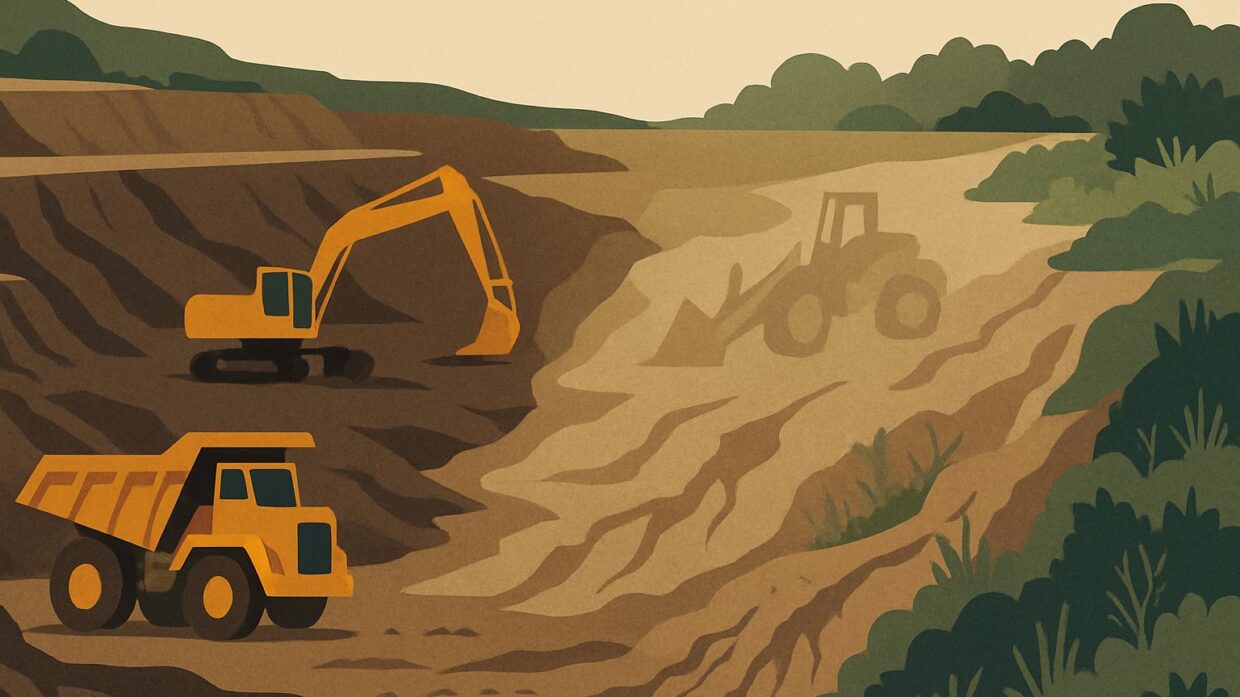
Photo: Well This Is News
LNP deregulation could force Queenslanders to pay for mining cleanup as company accountability erodes
Queensland mining review removes red tape blocking critical minerals extraction needed for grid reliability
Queensland environmental reviews could shift mine cleanup costs to taxpayers, regulator warns
Key Takeaways
- The government review targets specific environmental standards and financial obligations governing mining site remediation, but the actual content of those standards and which regulations face removal remain undisclosed in public reporting.
- Queensland has a documented history of taxpayer-funded cleanup costs when mining operators lack capital or declare insolvency, but coverage does not establish whether current regulations effectively prevent that problem or whether proposed changes would materially worsen it.
- Neither side addresses whether Queensland's current environmental standards are stricter than comparable mining jurisdictions or whether the review targets genuinely obsolete rules versus blanket removal of protections that serve essential functions like preventing acid mine drainage or tailings failures.
The Analysis
Queensland's government is reviewing environmental obligations that currently require mining operators to fund site restoration and remediation costs. Mining minister Dale Last described the review as positioning the state as a global leader in critical minerals production. That framing emphasizes economic opportunity and removes the phrase environmental oversight from the discussion entirely, replacing it with the narrower category red tape. What the coverage does not foreground is what specific environmental standards are under review or how removal of those standards might alter financial responsibility.
The Guardian's reporting documents that environmental groups and the state regulator fear the review could shift cleanup liability from mining companies to Queensland taxpayers. The regulator's formal position appears to be that current standards ensure operators bear remediation costs rather than leaving them stranded as public debt after operations cease. That concern rests on a documented problem: mining sites across Australia have historically required public funding for cleanup when operators lack capital or declare insolvency. The specific fear is that weakened rehabilitation bonding or deferred restoration timelines could create conditions where companies exit sites before completing work, leaving residents to fund completion.
The left framing emphasizes the word deregulation and connects this review to broader patterns of corporate accountability erosion. The language choice matters: deregulation describes the review as removal of protections rather than streamlining of process. Left-aligned commentary typically links this to AustralianSuper's recent return to coal investing despite climate commitments, suggesting a systematic reversal of environmental accountability across institutional investors and state policy simultaneously. That narrative leaves out whether current Queensland environmental standards are stricter than comparable mining jurisdictions or whether the review targets specific obsolete rules versus blanket removal.
A right-aligned perspective would emphasize that critical minerals are essential for renewable energy infrastructure and that regulatory delay blocks necessary development. That framing would note that Queensland competes globally for mining investment and that approval timelines matter for economic competitiveness. It would also likely note that environmental standards need not be removed entirely to reduce administrative burden. What that framing typically does not address is whether the specific regulations under review actually impose material delay or whether they serve functions like preventing acid mine drainage or tailings failures that carry long-term costs.
What neither framing fully establishes is the concrete content of the review itself. The reporting identifies that a review is occurring and describes competing concerns about its direction, but does not publish the specific environmental standards or financial obligations being examined. That absence means readers cannot independently assess whether the concern reflects genuine rollback of remediation requirements or tightening of timelines for assessment. The prior history matters: Queensland has experienced significant taxpayer-funded mine cleanups, including ongoing costs from closed operations. But whether current regulations prevent that problem effectively, or whether the proposed changes would materially worsen it, remains undisclosed in the available coverage.
Weakened mine cleanup standards in Queensland would create a documented fiscal liability for taxpayers that compounds over decades. Australia's mining history shows operators frequently abandon sites before full remediation when financial obligations weaken, leaving governments to fund acid drainage treatment, tailings stabilization, and land restoration indefinitely. Once a mine closes, the cost of cleanup escalates while company resources vanish, making early-stage bonding requirements the only mechanism that prevents public debt accumulation. If Queensland's review removes binding rehabilitation timelines or reduces financial guarantees, future administrations will inherit sites requiring millions in unfunded restoration work, shifting what should be operational costs to general revenue and limiting funding for other infrastructure during economic downturns.