Photo: Well This Is News
Trump's National Mall Security Theater Overshadows America's Independence Milestone
Republicans Assert Declaration Values as Nation Marks 250 Years
America's 250th Birthday Amid National Mall Tensions and Policy Debates
Key Takeaways
- The reflecting pool has deteriorated into a genuine infrastructure problem requiring federal management, including security measures and an indictment for alleged vandalism, but neither side is addressing this material reality.
- Drought-driven burn bans across multiple western and central states are constraining the fireworks component of the 250th celebration, reflecting climate conditions that exist independent of any policy or ideological debate.
- Neither side is explaining why the Declaration of Independence has become a contested political document in 2026 or whether the competing narratives reflect genuine policy disagreement or pre-election symbolic positioning.
The Analysis
The United States is marking 250 years since the Declaration of Independence in July 2026, but the anniversary itself has become a proxy battle over what America's founding document means and who gets to claim it, with neither the left nor the right addressing the full context of why these specific fights are happening now.
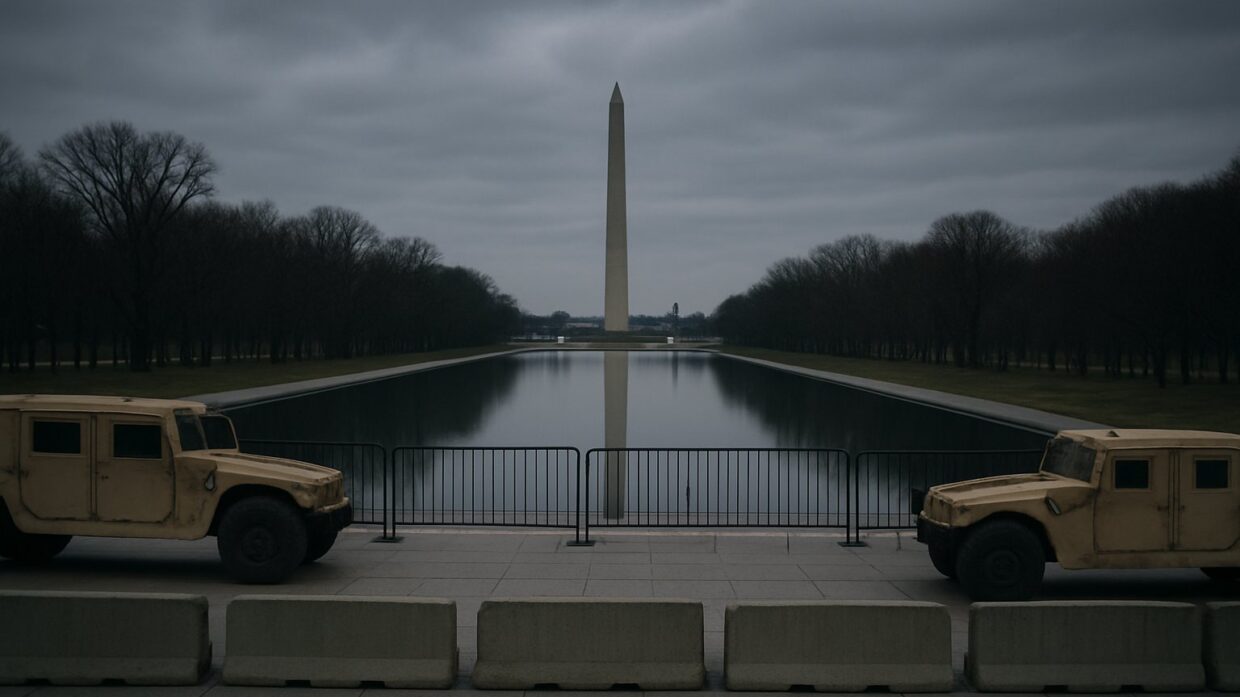
What actually happened: The national 250th anniversary commemoration is proceeding with multiple simultaneous events and controversies. Rep. Matt Van Epps, a Republican, introduced a bill reaffirming the Declaration of Independence, explicitly framing it as a response to what he characterized as socialist candidates gaining ground in Democratic primaries. Meanwhile, the National Mall's Lincoln Memorial Reflecting Pool has become a focal point of administrative attention, with National Guard troops conducting patrols and reported restrictions on public access. A former Olympic canoeist, David Hearn, was indicted for allegedly damaging the reflecting pool. Additionally, the fireworks component of the 250th celebration is being constrained by drought-related burn bans affecting multiple states, according to data from the U.S. Drought Monitor.
The left's framing emphasizes that the nation's founding principles remain unfulfilled and that the current security posture at national commemorative sites resembles authoritarianism rather than the open public gathering the declaration's ideals would suggest. Mother Jones published video of National Guard patrols at the reflecting pool with audio warnings that "loitering is not permitted in this area," characterizing this as dystopian security theater. The same outlet ran a piece recommending readers actually examine the Declaration of Independence text itself, suggesting that the document's radical commitments have been obscured or abandoned. This framing leaves out any acknowledgment of the reflecting pool's infrastructure problems or the specific circumstances prompting increased security measures.
The right's framing positions the declaration as a document under ideological siege and the anniversary as an opportunity to reassert classical liberal principles against what it terms socialism. Fox News reported Rep. Van Epps's bill language emphasizing that the declaration affirms universal principles of liberty, implicitly contrasting this with progressive policy proposals. This framing leaves out the historical reality that the declaration's signers enslaved people and that the document's promises were deliberately withheld from enslaved Americans for nearly a century after its signing.
What neither side fully captures is the infrastructure story. The reflecting pool has deteriorated to a point requiring significant federal attention, including alleged vandalism charges against a private citizen. The drought constraining fireworks displays across western and central states reflects climate conditions that have nothing to do with either security policy or ideological commitment, yet these material facts shape how the anniversary is actually experienced by the public. Additionally, neither framing addresses why the declaration itself has become a contested political document in 2026, or whether this reflects genuine policy disagreement or symbolic positioning ahead of an election cycle.
The underlying question is whether the 250th anniversary is primarily a moment for civic recommitment to founding principles, a security challenge requiring administrative management, or a political opportunity for partisan positioning. The available reporting does not establish whether the National Guard presence reflects a permanent shift in how federal authorities manage public gatherings or a specific response to prior incidents like the alleged pool damage.
The 250th anniversary exposes a fundamental breakdown in shared civic infrastructure and meaning-making. The deteriorating Lincoln Memorial Reflecting Pool forcing federal intervention, combined with drought-driven restrictions on basic celebratory traditions across multiple states, reveals that America cannot simultaneously commemorate its founding while managing the material conditions of decay and climate instability that no partisan framing addresses. When Rep. Van Epps invokes the Declaration to fight socialism and Mother Jones invokes it to critique security theater, both sidestep why a core national monument requires National Guard patrols and vandalism prosecutions, and why western states cannot execute traditional 250th fireworks due to fire risk. This anniversary moment demonstrates that ideological battles over founding documents have become substitutes for institutional capacity to maintain the actual places where Americans gather, leaving the celebration itself physically constrained and politically fragmented before it occurs.