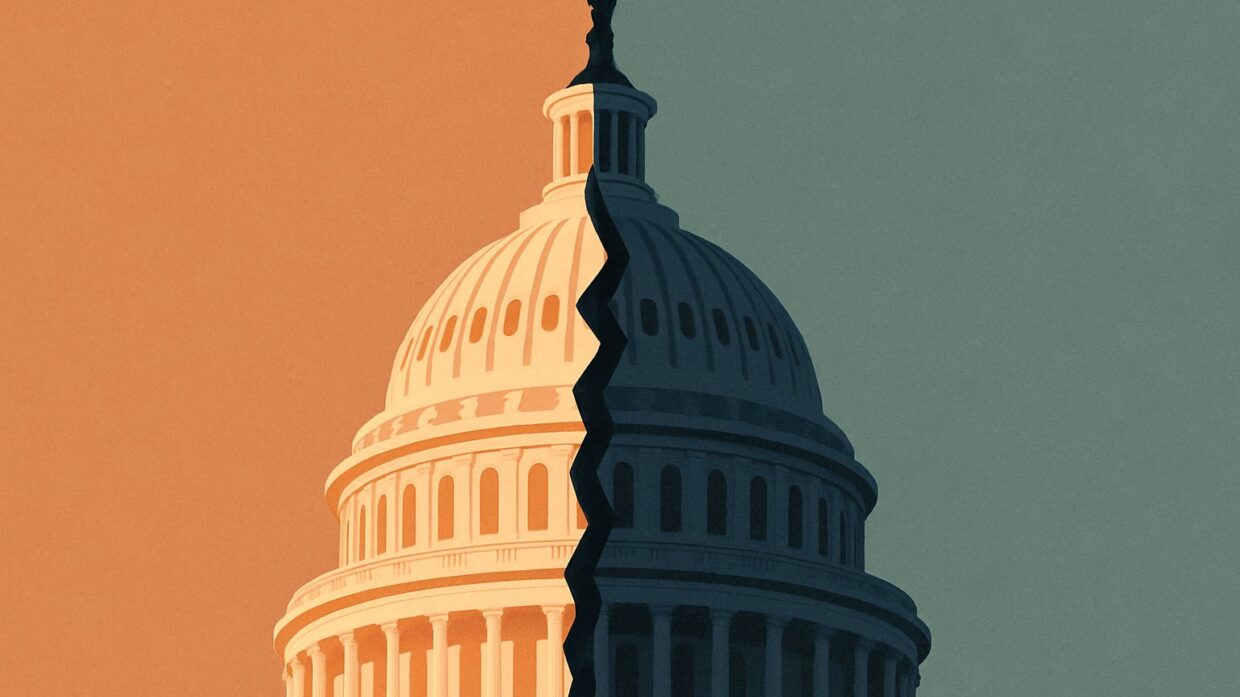
Photo: Well This Is News
Historic Senate Rebuke: Bipartisan Coalition Votes to Limit Trump's War Powers on Iran
Senate RINOs Prioritize Iran Grandstanding Over Voter ID Legislation
Senate Approves War Powers Resolution Against Trump's Iran Authority for First Time
Key Takeaways
- The Senate vote count, which Republicans voted for the resolution, and whether Trump intends to comply remain undisclosed despite the vote being described as historic.
- It remains unknown whether Republicans voted for the resolution based on principle about the War Powers Act or because of specific disagreements about Iran policy itself.
- The reporting does not establish whether Trump's Iran operations have already violated the 48-hour notification requirement or whether they legally qualify as hostilities under the statute.
The Analysis
The Senate's passage of a war powers resolution limiting Trump's military authority in Iran marks a specific constitutional moment, but the available reporting leaves critical details about that moment undisclosed. The factual record is narrow: the Senate voted to pass a war powers resolution directing Trump to withdraw from Iran hostilities. This is the first time the chamber has done so against a sitting president. What the sources do not establish is the final vote count, which Republicans crossed party lines, or whether Trump has signaled whether he intends to comply.
The left framing emphasizes two overlapping narratives. NPR's reporting focuses on whether this vote signals Trump is "losing GOP support," using the language of political momentum and defection. HuffPost characterizes the vote as "historic" and a "rebuke," words chosen to emphasize constitutional separation of powers and presidential overreach. What this framing leaves out is whether the vote reflects genuine Republican concern about Iran policy specifically or represents a narrower disagreement about whether this particular conflict requires legislative authorization under the War Powers Act. The emphasis on "bipartisan" also obscures whether Republicans who voted for the resolution did so on principle or for other tactical reasons not disclosed in the reporting.
The right framing takes a different tack entirely. The Federalist's headline does not engage with the substance of the war powers vote at all. Instead, it pivots to legislative priorities it views as neglected: "Senate RINOs Too Busy Scolding Trump To Pass Voter ID Bill." This language choice is revealing. "RINOs" (Republicans in Name Only) is not analysis; it is dismissal. The framing suggests that Republicans who voted for war powers constraints are performing opposition theater rather than addressing what the right views as substantive governance. What this framing underplays is whether a war powers resolution and voter ID legislation are genuinely in conflict for Senate floor time, or whether that conflict is being constructed retrospectively to delegitimize the vote.
What neither side fully captures is the constitutional machinery underneath. The War Powers Act of 1973 requires the president to notify Congress within 48 hours of committing armed forces to military action and prohibits armed forces from remaining for more than 60 days without congressional authorization. The Senate vote, if it achieves the legal threshold, would direct Trump to withdraw. The public record does not establish whether Trump has already violated this requirement, whether the Iran operations are defined as "hostilities" under the statute, or what the administration's legal position on presidential authority has been. Without those details, assessing whether this is genuine constitutional constraint or symbolic pushback becomes difficult.
The underlying question is whether this represents structural change in Republican willingness to constrain any president's war powers, or whether it reflects specific disagreement about Iran policy. The available sources do not establish which.
The Senate's action only matters if it actually restrains presidential war-making rather than performing constitutional concern without consequence. The War Powers Act requires presidential compliance, not mere congressional expression, yet no reporting discloses whether Trump intends to obey the resolution or whether his Iran operations already violate the 48-hour notification requirement. If Trump ignores the vote and Congress takes no enforcement action, the resolution becomes precedent for presidential noncompliance with war powers constraints, weakening the statute's enforceability against future presidents of any party. The institutional question is binary: either Congress just demonstrated it can force withdrawal from undeclared conflicts, or it demonstrated that symbolic war powers votes mean nothing without the political will to enforce them.