Photo: Well This Is News
Far-Right Populists Weaponize UK Teen's Death to Stoke Anti-Immigration Fury Across Europe
Starmer Blames Musk for 'Division' While Coroner Opens Full Inquiry Into Police Role in Death
Henry Nowak Murder Case Becomes Flashpoint for International and Domestic Political Divisions
Key Takeaways
- A coroner opening a full inquest into police contribution to a death is standard procedure that neither presumes nor precludes wrongdoing, yet both sides treat it as settled evidence for their opposing narratives.
- The core unresolved question is whether discussing an active police accountability investigation is legitimately different from circulating edited footage globally to advance a pre-existing political agenda, and neither side acknowledges both can be true.
- The public debate has collapsed into accusations about who is exploiting the tragedy rather than examining what the available record establishes about police conduct or whether the investigation itself raises separate accountability concerns independent of international political opportunism.
The Analysis
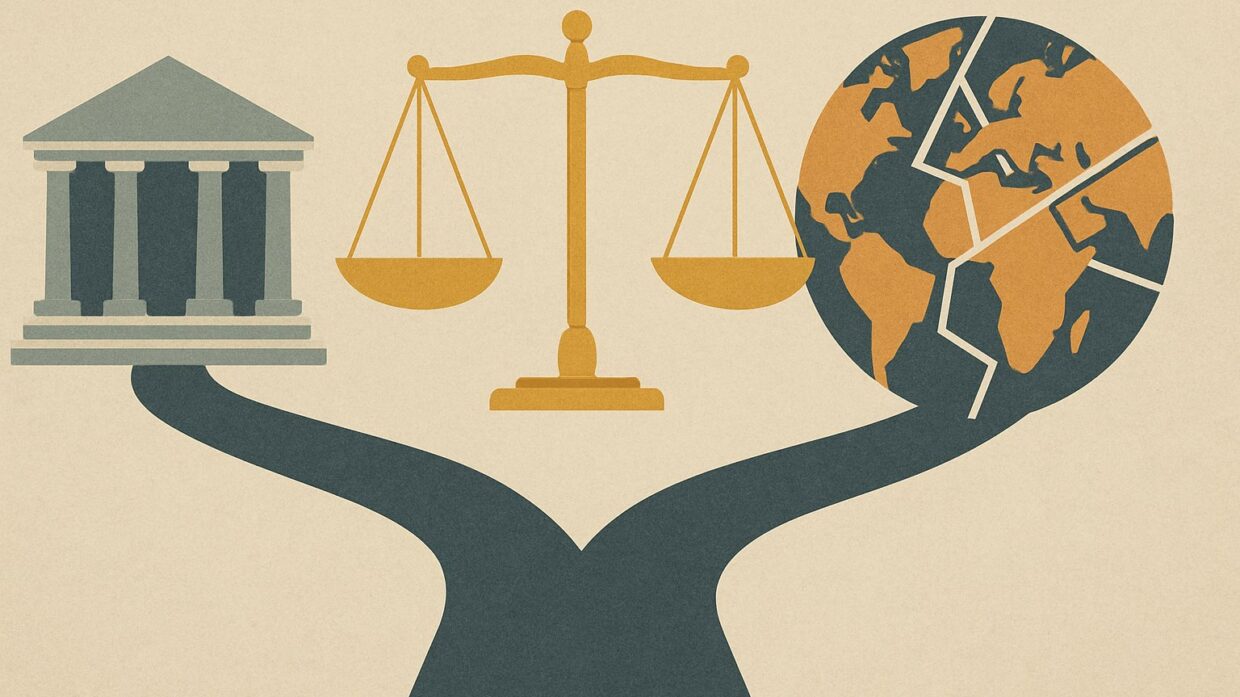
The Henry Nowak case has collapsed into competing accusations about who is exploiting a teenager's death, each side framing the other's use of the tragedy as the primary problem rather than examining what the available record actually establishes about what happened and why.
What we know: An 18-year-old was murdered. A coroner has ordered a full inquest to determine whether police action, inaction, or decisions "caused or contributed" to that death. The case has drawn commentary from international political figures. Prime Minister Keir Starmer has made a public statement accusing Elon Musk of "trying to whip up division" in the UK over coverage of the case. The Guardian reports that far-right figures in Poland, Spain, and France have used video of the incident to advance anti-immigration messaging.
The left frame, as presented by The Guardian, emphasizes that European populists are exploiting the tragedy to fuel xenophobic narratives. The reporting focuses on the rhetoric these figures deployed, describing claims about Britain descending "into the depths of the earth" and treating the case as ammunition for broader anti-immigration campaigns. What this framing does not foreground is whether the police role question itself, independent of how populists weaponized it, involves legitimate accountability concerns that deserve separate examination from the problem of political opportunism.
The right frame, as presented by Breitbart and The Federalist, emphasizes the coroner's decision to open a full inquest into police contribution to the death, treating that as a factual development distinct from Starmer's accusation against Musk. The right-leaning coverage also highlights Starmer's language about division, suggesting that framing the discussion of the murder as inherently divisive is itself an attempt to suppress public debate about the case. What this framing does not emphasize is the distinction between discussing the case itself and amplifying edited clips without full context.
What neither side fully captures is the actual timeline and legal status of the police role question. A coroner opening a full inquest is a standard procedural step in suspicious deaths; it does not presume police wrongdoing, nor does it preclude it. The inquest will examine "broader circumstances." That process is separate from whether international figures should be circulating video of the death for political purposes, and separate from whether the Prime Minister should publicly name specific individuals for amplifying the case.
The left's framing treats the problem as xenophobic abuse of the tragedy. The right's framing treats the problem as the government attempting to delegitimize discussion of the case. The actual structural question the public record raises is whether there is a meaningful difference between "discussing a case" and "circulating edited footage globally to advance a pre-existing anti-immigration narrative." The coroner's inquest will proceed according to law, independent of international commentary. What remains genuinely unresolved is what public discussion of an active investigation ought to include, and who gets to define what counts as legitimate inquiry versus opportunistic exploitation.
Neither side is acknowledging that both things appear to be true simultaneously: populists have used the case for nationalist purposes, and there is a genuine police accountability question that deserves examination on its merits, separate from its use by bad actors.
The coroner's decision to open a full inquest into police conduct during Henry Nowak's death will proceed regardless of international political noise, but the collapse of this case into competing accusations about who is exploiting tragedy has obscured what actually needs institutional scrutiny. A legitimate question about whether police action or inaction contributed to an 18-year-old's death exists independently from whether far-right figures misused video footage for xenophobic messaging. The inquest process will examine that police role according to law, but public discourse has abandoned the harder work of distinguishing between discussing a case on its evidentiary merits and circulating edited clips globally to advance predetermined anti-immigration narratives. This matters because when political actors on both sides treat the other's motives as the primary problem rather than the actual facts, public institutions lose the space to conduct accountability investigations without those investigations becoming ammunition for competing tribal narratives. The Henry Nowak case will set precedent for how